


When a dog has a urinary tract infection, they may have difficulty peeing; they may also squat to pee several times, with only a few drops of urine coming out. UTI in dogs can also lead to pain, discomfort, and the spread of the infection. By recognizing dog UTI symptoms early, you can help your furry companion get timely care and prevent life-threatening complications
In this Sploot Vets guide, we talk about urinary tract infection in dogs, dog UTI symptoms, when to call a vet, and prevention tips.
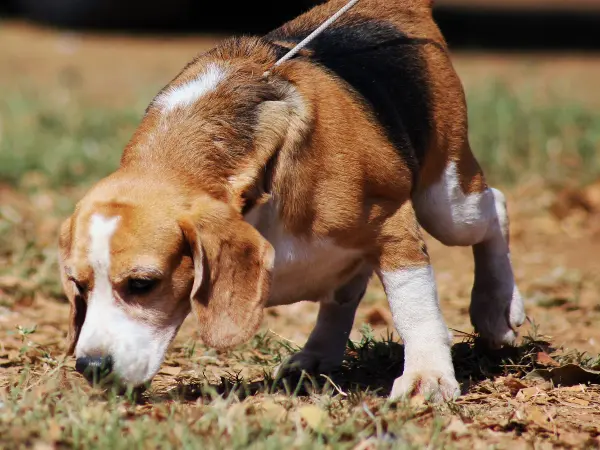
What is UTI in Dogs & Who is at Risk?
A urinary tract infection, or UTI in dogs is fairly common, affecting 14 percent of dogs. Dog UTI occurs when bacteria travel up the urethra and enter the bladder. This leads to inflammation, discomfort, dog pain, and changes in urination behaviors.
A Dog UTI may involve the lower urinary tract, including the bladder and urethra. In more serious cases, infection can spread upward toward the kidneys. This is why urinary symptoms in dogs should not be ignored.
While UTIs can affect any dog, some are more prone to infection due to age, underlying health conditions, or hygiene-related factors. The following dogs are at a higher risk of UTI:
- Female dogs – female dogs have a shorter and wider urethra than male dogs, making it easier for bacteria to infiltrate and reach the bladder.
- Senior or older dogs – Age-related changes and weaker immune defenses can make dog UTIs and other infections more likely.
- Dogs with certain health conditions – Diabetes can lead to glucose in the dog’s urine, creating an ideal environment for UTI-causing bacteria. Meanwhile, kidney disease can lead to diluted urine, which does not effectively kill pathogens, increasing the risk of UTI. Lastly, dogs with Cushing’s syndrome have excess cortisol, which can suppress the immune system, putting the dog at risk of infections.
- Dogs with poor hydration – Less water intake means less frequent urination, allowing bacteria to remain in the urinary tract, which can increase the risk of UTI in dogs.
- Dogs with untreated bladder stones – Bladder stones can irritate the bladder and create areas where bacteria can grow, increasing the risk of dog UTI.
- Poor hygiene or grooming – A lack of regular baths and grooming can increase the risk of UTI in dogs, especially if stool or dirt is left to build up near the genital area.

Common Dog UTI Symptoms
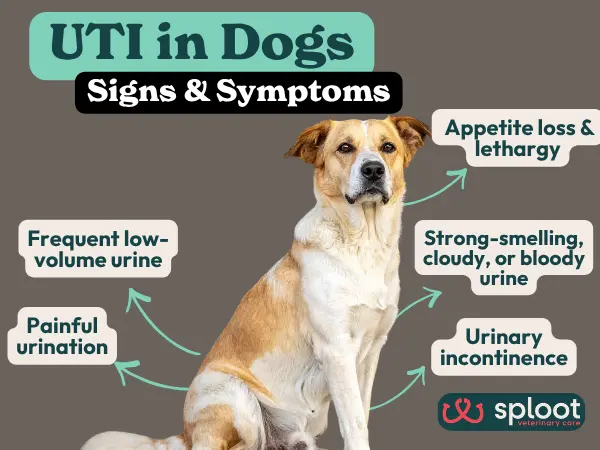
Dog UTI symptoms can range from mild to obvious. Some dogs show clear discomfort, while others only have subtle changes in bathroom habits. This is why it’s important for pet parents to be aware of the following common signs of a Dog UTI:
1. Painful Urination in Dogs
Pain or discomfort during urination is one of the most common signs of UTI in dogs. When a dog has UTI, their urinary tract becomes inflamed; this can lead to a burning sensation when acidic urine passes through. If you observe this symptom in your dog, bring them to a same-day urgent vet for prompt treatment and pain management.
2. Frequent, Low-Volume Urine & Straining to Pee
UTI in dogs results in bladder inflammation, making the walls of the bladder more sensitive. Even when there is no or little urine, a dog with UTI may feel that they need to pee, resulting in frequent, low-volume urine. If you observe this dog UTI symptom, schedule a vet visit promptly.
3. Urinary Incontinence in Dogs
If your dog is house-trained and they suddenly start urinating indoors, this may be another subtle sign of dog UTI. Urinary tract infections irritate the dog’s bladder, causing sudden urges to urinate. For some dogs, this can lead to accidents inside the home. If your dog is showing this symptom, we recommend bringing them to a vet for timely treatment.
4. Strong-Smelling, Cloudy Urine or Bloody Urine
UTI in dogs can change the urine’s composition and appearance. The urine can appear cloudy and may have a foul smell caused by bacterial byproducts.
In severe cases of UTI in dogs, the urine may also have look pink, red, or brown due to the presence of blood. If you notice blood in your dog’s urine, it would be best to bring them to a same-day urgent vet for prompt treatment.
5. Other Behavioral Changes: Lethargy, Appetite Loss
More severe UTI or chronic UTI in dogs are more likely to affect their overall behavior. A combination of pain, discomfort, and the body’s immune response to infection can make a dog feel tired and lose their appetite. If you see this symptom in your dog, we recommend bringing them to a same-day urgent vet.
UTI in Dogs vs Other Urinary Issues in Dogs
Symptoms alone are not enough to diagnose UTI in dogs. Because UTI in dogs share similar symptoms with other urinary issues, only licensed veterinarians can conclusively diagnose UTI in dogs. A few examples of other health issues that have overlapping symptoms with dog UTI include the following:
- Bladder stones in dogs and urinary crystals– similar to UTI in dogs, bladder stones and urinary crystals can lead to straining to pee, frequent, low-volume urination, and cloudy or bloody urine.
- Kidney disease in dogs – kidney disease in dogs increases the risk of UTI, while also presenting similar symptoms to dog UTI, such as frequent urination and lethargy. However, kidney disease typically does NOT lead to low-volume urination and may also produce symptoms like weight loss and vomiting.
- Prostate disease in dogs – prostate disease can have overlapping symptoms with UTI, such as blood in the urine and difficulty peeing. Additional symptoms can include ribbon-like dog stool, constipation, and straining to poop.
Note: If you notice any symptoms of dog UTI or additional symptoms that can point to other health issues in dogs, we recommend scheduling a prompt, same-day vet visit.
→ Need to schedule a prompt vet visit for your dog’s urinary issues? We’re here to help. Sploot has vet clinics in Denver, Colorado Springs, Salt Lake City, and Chicago. For a prompt vet visit, book an appointment here—for urgent concerns, call us at (720) 770-8656
Female Dog vs Male Dog UTI Symptoms: Are They Different?
There is no significant difference between male and female dog UTI symptoms. However, here are a few differences:
- Female dogs are more prone to UTI because of their shorter urethra. Additionally, female dogs with skin folds and recessed or hooded vulvas (which are more common in overweight female dogs) have an added risk of bacterial buildup near the genitals, which can lead to UTI.
- UTI symptoms in male dogs may need to be evaluated for possible prostate disease, especially in intact or unneutered male dogs. Additionally, urinary crystals and bladder stones (which can be mistaken for or co-occur with dog UTI) are more likely to cause dangerous blockages in male dogs.
Note: In both female and male dogs, UTI is painful and can lead to severe complications if left untreated. We recommend consulting a vet for a prompt diagnosis and treatment if you notice any symptoms of UTI.
How Vets Diagnose UTI in Dogs
When our vets at Sploot diagnose UTI in dogs, they look at clinical observations, plus the results of recommended laboratory work. Here’s an overview of what veterinarians may recommend:
Initial Stabilization & Physical Examination
If your dog is in pain, distressed, or lethargic, our veterinary team will first stabilize their condition. This occurs alongside a physical exam wherein the vet checks your dog’s temperature, heart rate, and overall condition. Veterinarians may also check your dog’s abdomen for unusual fullness or swelling and the genital area for irritation or urinary leakage.
Veterinary Diagnostics for UTI in Dogs
After the physical exam, your veterinarian may recommend diagnostic tests to confirm a UTI and rule out other urinary conditions with similar symptoms. This helps identify the underlying cause and ensures your dog receives the right treatment. Veterinarians may recommend the following:
- Bloodwork – Bloodwork helps check for signs of infections, inflammation, and widespread issues. Certain blood tests also screen for or rule out diabetes, kidney disease, and other health issues.
- Urinalysis – A urine test checks for bacteria, blood, crystals, and other biomarkers or urinary issues.
- Imaging – X-rays or ultrasound may be used if bladder stones, masses, or prostate disease in dogs is suspected.
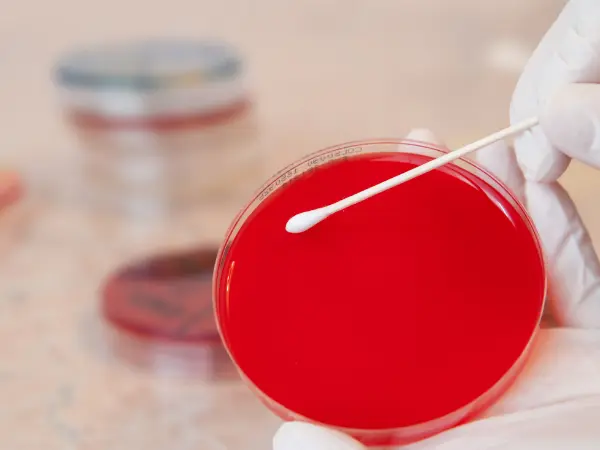
- Urine culture and sensitivity – This lab test identifies the bacteria and determines which antibiotics may work best so that the veterinarian can adjust the treatment accordingly. Results for this take around 5 to 7 days.
Sploot Medical Director, Dr. Amy Casali explains the necessity of urine culture in many cases of UTI in dogs: “Urine culture and sensitivity testing is the gold standard for confirming a bacterial UTI and is recommended whenever a bladder infection is suspected”
Dog UTI Treatment (Outpatient)
At Sploot, dog UTI treatment is personalized depending on the severity of the infection and whether the infection is recurrent or not. If the dog is still able to urinate and does not have emergency symptoms (e.g., extreme lethargy or signs of urinary blockage), they can likely still go home within the same day, with a treatment plan that consists of:
1. Immediate Pain Management & Stabilization
During intake, veterinarians at Sploot assess the patient’s pain and discomfort. Vets may provide pain medications accordingly. And since some cases of dog UTI occur along with dehydration, veterinarians may also provide hydration support when needed.
2. Antibiotics for UTI in Dogs & Other Medications
Medications for dog UTI may include pain medication for dogs and anti-inflammatories; these manage UTI symptoms. However, the prescribed antibiotic for dog UTI is the main medication for treating the bacterial infection itself.
Antibiotics for UTI in dogs should only be used under veterinary guidance. The right antibiotic depends on the bacteria involved, your dog’s health history, and whether the case is a sporadic or recurrent UTI in dogs.
For dogs with severe or recurrent UTI, veterinarians may request a urine culture and sensitivity test which identifies which bacteria is involved and the best medication to use. Since this lab test takes around 5 days, the prescribed antibiotics may be adjusted later on depending on the findings.
3. Treatment for Underlying Health Issues
Some of the health issues that commonly increase the risk of UTI in dogs include bladder stones, diabetes, kidney disease, and Cushing’s syndrome. If lab tests confirm any of these health issues, the veterinarian may recommend an appropriate treatment plan. Managing these health issues contributes to a dog’s overall health while also reducing the risk of recurrent UTI in dogs.
4. Additional Care Recommendations for Dog UTI
Veterinarians may also provide additional care recommendations that will be helpful for your dog’s case. These can include hydration tips, dietary adjustments for urinary support, or guidance on your dog’s care routine (i.e., bathing schedule and grooming tips).
→ Worried about your dog’s health? We’re here for you 365 days a year! Sploot has vet clinics in Denver, Colorado Springs, Salt Lake City, and Chicago. For a prompt vet visit, book an appointment here—for urgent concerns, call us at (720) 770-8656
Can a Dog UTI Go Away on Its Own?
No, a dog UTI should not be expected to go away on its own. Without prompt diagnosis and treatment, the dog will continue experiencing pain, discomfort, and difficulty urinating. Additionally, untreated UTI in dogs can worsen or spread to the kidneys.
Additionally, because dog UTI symptoms can overlap with other health conditions, it is best to schedule a vet visit when urinary symptoms appear.
When Is a Dog UTI an Emergency?
Seek urgent care if your dog repeatedly strains while producing little or no urine, or has symptoms like fever or weakness. These signs may indicate a severe infection.
If your dog has signs of UTI, along with severe pain, vomiting, and/or extreme lethargy, contact an emergency vet. When systemic dog UTI symptoms appear, it’s possible that the dog has a urinary blockage and toxin build-up.
How to Help Prevent UTI in Dogs
Not every Dog UTI can be prevented, but supportive habits can help reduce risk, especially for dogs prone to urinary issues. Here are a few preventative tips:
1. Encourage Regular Bathroom Breaks
While dogs can hold their pee for 8 hours maximum, it is not advisable to make dogs wait for this long. Making a dog hold their pee for too long on a regular basis puts them at risk of both urinary tract infections and bladder stones.
When possible, allow your dog to have potty breaks every 4 hours (or 4 times a day). If frequent walks aren’t feasible, pet parents can make use of a secure portion of the yard, pee pads, or invest in an indoor potty for dogs.
2. Support Your Dog’s Hydration
Make sure that your dog has access to fresh water at all times. Encouraging your dog to drink plenty of fresh water helps flush bacteria from the urinary tract and support healthy bladder function.
3. Make Sure Your Dog Gets Regular Baths & Grooming
Regular bathing and grooming are an essential part of your dog’s care routine. These keep the area around the genitals clean, reducing the chance of bacteria entering the dog’s urinary tract. Most dogs need a bath every 1 to 3 months or as needed after playing outside or swimming.
Along with regular baths, brushing your dog’s fur helps dislodge dirt and debris.
- For short-haired dogs, brush their fur at least once a week.
- For long-haired dogs, daily fur brushing is recommended.
4. Manage Your Dog’s Underlying Health Conditions
Conditions such as diabetes, kidney disease, and Cushing’s disease can raise UTI risk, so consistent veterinary care and proper management are essential. Follow your veterinarian’s treatment plan, which may include medication, dietary changes, and routine monitoring.
Final Thoughts on UTI in Dogs
We hope you found this guide on dog UTI helpful. As a final reminder, urinary tract infections in dogs cause pain and discomfort, which highlights the importance of prompt treatment.
Additionally UTI in dogs can have overlapping symptoms with other urinary issues. Dogs can also suffer from more than one urinary issues. As an example, bladder stones can increase the risk of dog UTI and dog UTI can increase the risk of urinary crystals.
Additionally, UTIs in dogs can also signal underlying health issues. Therefore, if you observe dog UTI symptoms in your pet, we recommend promptly scheduling a vet visit. Early care can help relieve pain, prevent complications, and get your pup back to feeling comfortable.
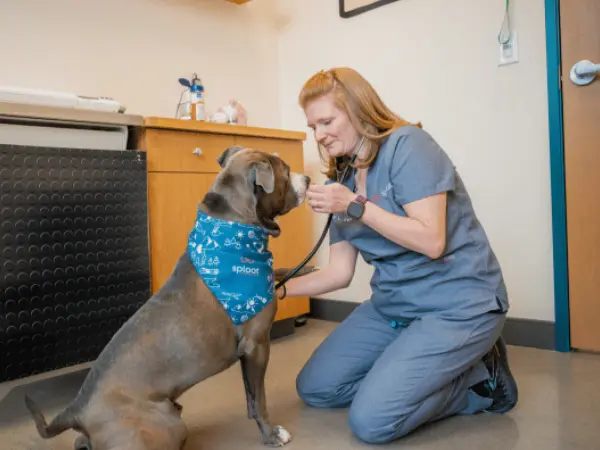
Sploot Vets: Your All-in-One Vet for Dog UTI Care
Sploot Veterinary Care is your partner in keeping your dog at their healthiest and happiest. We provide top-tier, all-in-one veterinary care for dogs, encompassing primary care, urgent care, and emergency stabilization all under one woof™!
Along with our full-service, state-of-the-art care, your fur baby can also look forward to our Fear Free veterinary approach that prioritizes their well-being in every vet visit.
Visit one of our vet clinics in Denver, Colorado Springs, Salt Lake City, and Chicago today! We are open 365 days a year, with extended clinic hours (8 AM to 8 PM) for your convenience!
Book an appointment online or through the Sploot Vets app.