


Is it the cold weather, nervousness, an underlying health issue, or a breed trait? At some point, pet parents may ask: “Why is my dog shaking?” Often, it’s a normal trait or response to an external factor like temperature, requiring only a few simple solutions. Other times, a dog shaking or shivering can be a sign that they need to see a veterinarian. As pet parents, it’s important to know the difference.
In this Sploot Vets guide, we talk about the most common causes why dogs shake or shiver and what pet parents can do to help their furry companions stay comfortable and healthy!

4 Common, Everyday Reasons Why Dogs Shake
The following are everyday reasons why dogs shake or shiver. Regardless of breed or size, dogs can experience any of the following;
1. Dog Shivering in Cold Weather
Just like people, dogs can shiver when they’re cold. The normal body temperature for dogs is 99.5 to 102.5 °F or 37.5–39.2°C [Merck Veterinary Manual]. When the external temperature makes it difficult for the dog’s body to stay within this normal temperature range, the dog may shake or shiver. A dog’s shivering involves rapid, involuntary muscle contractions that help generate heat and maintain body temperature.
The threshold temperature for feeling cold varies for all dogs. Generally, dogs can become uncomfortable at around 45°F (7°C) or lower and may start shivering when the temperature gets closer to 32°F (0°C) [PetMD]. It’s important to note that small dogs, lean dogs, short-haired breeds, puppies, and senior dogs can be especially sensitive to chilly temperatures.
Aside from a dog shivering, here are other signs that a dog is cold:
- Tries to seek shelter or warmth from blankets, heaters, or by cuddling
- Curls up or has a hunched posture
- Appearing restless and lifting paws off the ground (if outside)
- Having cold paws, ears, and tail
- Barking or whining
Seek emergency veterinary care if a dog shows signs of hypothermia: intense shivering, shallow breathing, pale or bluish gums, and unresponsiveness.
2. Nervousness or Excitement
Strong emotions, whether positive or negative, can cause a dog to shake or tremble. When dogs feel nervous, scared, stressed, extremely excited, or extremely happy, their bodies can release stress hormones such as adrenaline. Adrenaline primes the muscles for possible physical exertion as part of the fight or flight response. If the dog cannot expend this burst of energy, it can result in muscular trembling.
Temporary dog shaking or shivering due to excitement or nervousness is typically nothing to worry about. However, if recurrent anxiety is affecting your dog’s quality of life, you can talk to a vet about behavioral support, which can include short-term anxiety medications for dogs and special training.
3. Dog Shaking & Panting from Tiredness
After strenuous exercise or prolonged activity, a dog’s muscles can become fatigued and begin to tremble. Mild shaking may occur as tired muscles recover, particularly after intense running or play, along with increased panting to cool down the dog’s body.
However, if a dog seems extremely exhausted after physical activity and shows signs like persistent excessive panting, vomiting, or collapse, it’s possible the dog may be suffering from dehydration; contact an urgent or emergency veterinarian if you notice any severe symptoms.
4. Age-related dog shivering: puppies & senior dogs
Puppies and senior dogs may be more prone to shaking for different reasons. Young puppies are still developing their ability to regulate body temperature and can become cold more easily.
Meanwhile, senior dogs may experience trembling due to age-related muscle weakness, loss of muscle mass, joint discomfort, or changes affecting their nervous system. However, new or worsening tremors in an older dog should be discussed with a veterinarian.
→ Get prompt care for dog shaking, shivering, and other health issues. Sploot offers all-in-one vet care, complete with veterinary diagnostics. Schedule your vet visit at one of our clinics in Denver, Colorado Springs, Chicago, and Salt Lake City, or call us for urgent concerns.

7+ Dog Breeds Prone to Shaking or Shivering
Shaking or shivering in dogs is more common in some dog breeds than others. Many pet parents with furry companions belonging to the following classifications may notice shaking or shivering more often, whether it’s due to temperature sensitivity or other factors.
1. Toy Breeds: Chihuahuas, Yorkies, Toy Poodles
Toy breeds are a general term for the smallest dog breeds, typically weighing less than 7 kg or 15 pounds. Due to their small body size, toy dogs tend to lose heat faster and can be more sensitive to the cold.
Additionally, smaller dogs tend to have a faster metabolism paired with fewer glycogen/fat reserves in their bodies. This makes them more prone to shaking or shivering due to low blood sugar, especially after strenuous exercise or a missed feeding schedule.
2. Lean Dogs with Short Coats: Greyhounds, Dalmatians
Lean, short-coated dogs tend to have less natural insulation against the cold. Breeds such as Greyhounds, Italian Greyhounds, Whippets, and Dalmatians have relatively thin coats, and some also carry very little body fat. Because of this, they may lose body heat more quickly than thicker-coated breeds and can start shivering sooner in cool or windy conditions.
3. High Prey Drive Dogs: Border Collie, Jack Russells
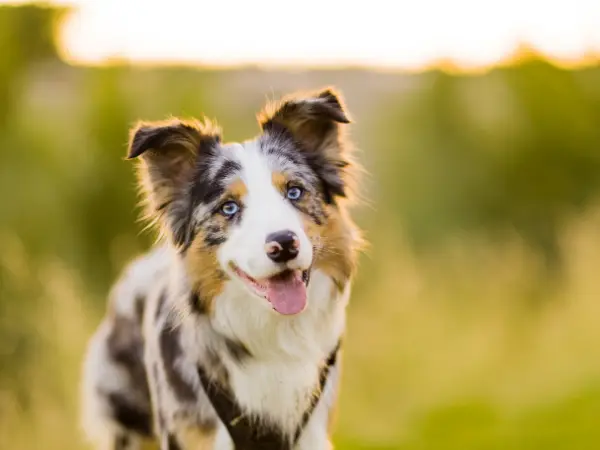
Dogs with a high prey drive, including many sporting breeds, herding breeds, and terriers, may sometimes shake or tremble when they become intensely excited, focused, or frustrated by something that activates their instinct to chase or pursue. This phenomenon is commonly observed in breeds like Border Collies, Jack Russell Terriers, Australian Shepherds, and Belgian Malinois.
For example, a dog may start trembling while watching a squirrel through a window or spotting a bird on a walk. This can happen because the dog is in a state of heightened arousal, with increased muscle tension and adrenaline in their bloodstream. In some cases, the shaking may be more noticeable when the dog is prevented from completing the instinctive sequence of watching, stalking, chasing, and catching the target.
This kind of dog shaking or trembling is usually tied to a specific trigger and often subsides once the dog calms down or the stimulus is removed.
Note: Persistent, unexplained, or worsening shaking, even in the breeds listed above, should still be evaluated by a veterinarian, especially if it occurs with weakness, pain, unusual behavior, or other symptoms.
10 Possible Medical Reasons for Dog Shivering or Shaking
Aside from everyday factors and breed predispositions, sometimes, the reason why dogs shake is because of a medical issue. Here are possible medical reasons why a dog is shaking or shivering, along with what to do next:
1. Hypothermia in Dogs
Hypothermia happens when a dog’s core body temperature drops below the normal range. Shivering is one of the body’s first defenses against the cold to help generate heat. However, as hypothermia progresses, a dog may become weak, lethargic, confused, or stop shivering altogether.
What to do next:
- First aid for hypothermia in dogs involves gradual re-warming in a comfortable area, using warm (not hot) blankets and a hot water bottle insulated by layers of fabric to prevent burns.
- Next, call an urgent care veterinarian for evaluation. However, if the dog has symptoms like severe lethargy or collapse, it would be best to bring the dog directly to a 24/7 vet ER as soon as possible.
2. Hypoglycemia or Low Blood Sugar
Hypoglycemia means a dog’s blood glucose level has fallen too low. Glucose is a major energy source for the brain and muscles, so when levels drop, the nervous system can become unstable, resulting in a dog shaking or shivering, along with other signs like weakness. More severe cases of hypoglycemia can lead to more serious symptoms like extreme lethargy, collapse, and seizures. Shaking in a dog that is diabetic needs prompt veterinary attention.
What to do next:
- For dogs that are shaking but alert (mild low blood sugar) – offer a small meal, monitor their progress, and contact your veterinarian if their condition doesn’t improve.
- For dogs, diabetic or otherwise, that are unconscious, extremely weak, etc. (severe low blood sugar) –as a first aid measure, rub corn syrup or glucose paste on the dog’s gums (even if the dog is unconscious). Then, immediately take the dog to the veterinary hospital. (American Red Cross)
3. Pain or Injury
Dogs may shake or tremble when they are in pain, whether from an injury, arthritis, abdominal discomfort, back problems, or another condition that causes pain in dogs. Pain activates the body’s stress response and can increase muscle tension, which may lead to visible trembling.
If you suspect that your dog is in pain, book an urgent vet visit to get them evaluated.

4. Fever in Dogs
A fever in dogs is an abnormal rise in body temperature, usually caused by inflammation or infection. Even though the body is hot, a dog may shiver because the brain temporarily raises the body’s internal temperature “set point”. The muscles contract to generate additional heat until the body reaches that new target temperature, similar to chills in people.
If you suspect that your dog’s shivering or shaking is due to a fever, contact an urgent care veterinarian for a prompt evaluation, especially if other symptoms arise or if the fever is higher than 105°F or 40.5°C. (Merck Veterinary Manual)
5. White Shaker Dog Syndrome
White shaker dog syndrome, aka shaker syndrome, is a neurological condition involving involuntary tremors of the head and body. Shaker syndrome is common in small to medium-sized dogs. Despite the name, this condition can affect dogs of any coat color, typically showing signs before age 5. Shaking can worsen with stress, excitement, and exercise.
We recommend seeing a vet for evaluation if your dog develops new or persistent generalized tremors or shaking.
6. Motion Sickness, Vomiting, & Diarrhea
A dog’s shivering or shaking may be a sign that they’re nauseous or about to vomit. Other signs to watch out for include restlessness, drooling or salivating more than usual, and lip smacking (WebMD). Motion sickness may also lead to stress-related vomiting or diarrhea in dogs.
Additionally, dogs can shake or tremble after vomiting or diarrhea, regardless of the cause, if the dog experiences an electrolyte imbalance (i.e., potassium or sodium levels) due to vomiting or diarrhea.
If your dog has motion sickness and needs to travel, we recommend preparing in advance. Schedule a vet visit to discuss possible aids to address nausea and/or travel anxiety in dogs. We also recommend an urgent vet visit for vomiting plus a suspected electrolyte imbalance, especially if vomiting is repeated or the dog seems weak or unable to keep water down.
7. Hormonal Disorders in Dogs
Some hormonal disorders can cause shaking or trembling in dogs. Common examples include:
- Addison’s disease (hypoadrenocorticism) in dogs – Low levels of adrenal hormones (i.e., cortisol, aldosterone) can lead to electrolyte imbalances, weakness, low blood pressure, and trembling or shaking in dogs.
- Cushing’s disease in dogs – A chronic excess of cortisol can cause progressive muscle weakness and loss of muscle mass. Some dogs may develop trembling as a result of muscular weakness. Other hallmark signs of Cushing’s disease in dogs include increased panting, thirst, urination, and appetite
Both of the above hormonal disorders in dogs need laboratory tests for a conclusive diagnosis. If you suspect that your dog has any of the above, we recommend seeking a full-service vet clinic with veterinary diagnostics.

→ Get prompt care for dog shaking, shivering, and other health issues. Sploot offers all-in-one vet care, complete with veterinary diagnostics. Book an appointment at one of our clinics in Denver, Colorado Springs, Chicago, and Salt Lake City, or call us for urgent concerns.
8. Electrolyte Imbalance in Dogs
Electrolyte imbalances can cause shaking or trembling in dogs because electrolytes play key roles in nerve signals, muscle contractions, and/or hydration. Here are the common ways that electrolyte imbalance can lead to shaking or shivering in dogs:
- Low potassium (hypokalemia) – May lead to muscle weakness, fatigue, and sometimes trembling due to impaired muscle function. Common causes include prolonged vomiting in dogs or diarrhea, kidney disease, metabolic diseases, and some medications.
- Low or high sodium (hypo/hypernatremia) – Sodium that is too high or too low can affect the brain and nervous system, potentially causing weakness, shaking, or confusion. Changes can result from dehydration, kidney disease, vomiting, diarrhea, or certain hormonal conditions.
- Low calcium (hypocalcemia) – Can cause trembling, muscle twitching, and weakness. It may occur with kidney disease in dogs, pancreatitis in dogs, nursing-related eclampsia, or certain hormonal disorders.
9. Poisoning or Toxin Exposure
Some toxins and poisons directly affect the nervous system or muscles, which can trigger tremors, shaking, twitching, or seizures. Others can cause dangerous changes in blood sugar or electrolyte levels.
A few examples of poisons or toxic substances that lead to dog shaking and panting include:
- Chocolate/caffeine – Can overstimulate the nervous system, causing panting, shaking, a rapid heart rate, and neurological disturbance.
- Xylitol – Can trigger a dangerous drop in blood sugar in dogs, leading to weakness, shaking, and collapse.
- Marijuana/THC – Whether ingested or inhaled, these products may cause tremors, abnormal behavior, poor coordination, and changes in breathing or heart rate in dogs.
- Rodenticides – Certain types, especially bromethalin, can affect the nervous system and cause shaking along with other severe symptoms.
- Insecticides, including some pyrethrins/pyrethroids or organophosphates; these can cause muscle tremors, drooling, agitation, weakness, and breathing changes.
If you suspect poisoning in dogs, call a helpline for immediate assistance over the phone. You can try the Pet Poison Helpline or ASPCA Animal Poison Control Center. In case of extended wait times, bring your dog to an urgent care veterinarian, like Sploot Veterinary Care, or a 24/7 vet ER for prompt treatment.
If you suspect poisoning from a commercial product, especially rodenticides and insecticides, bring the packaging with you in a plastic bag; this can help speed up the diagnosis.
10. Neurological Disorders
Neurological disorders affect the nervous system of the dog, which controls movement. Whenthese systems do not communicate normally with the muscles, dogs may develop shaking, shivering, twitching, weakness, or problems with balance and coordination. Causes can range from inflammatory conditions to idiopathic nervous disorders.
If you suspect your dog is suffering from a neurological condition, schedule a prompt vet visit to get them started on treatment.
Diagnosis & Treatment for Dog Shaking
While the diagnosis and treatment procedures vary depending on the cause of a dog’s shaking or shivering, the following is a common flow of procedures:
a. Urgent Intake & Supportive Care
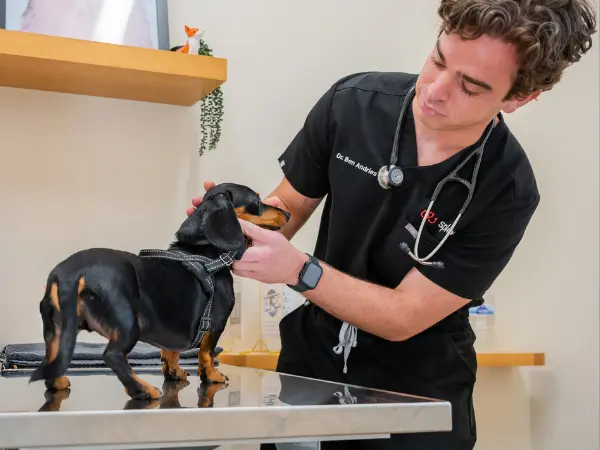
Most cases of sudden, severe, or persistent shaking in dogs warrant prompt veterinary attention. Once the dog arrives at the vet clinic, the veterinary team may begin supportive care right away to help stabilize active trembling or shaking, especially in simpler cases. Dogs may be given IV fluids, electrolytes, temperature support, and so on.
b. Concurrent Physical Exam & Lab Tests
While supportive care is ongoing, a veterinarian may ask about the dog’s symptoms, recent activities, medications, and possible poison/toxin exposure. Veterinary diagnostic tests, such as bloodwork, urinalysis, imaging, and so on, may be recommended until the underlying cause can be identified and a personalized treatment plan can be established.

Sploot Vets: Your Go-To Vet for All-in-One Care
If your dog is shaking, trembling, or showing other concerning symptoms, Sploot is here to help. Our all-in-one veterinary clinics provide prompt, expert care. We provide both primary and urgent care under one woof™, covering more than 95% of your dog’s lifetime needs.
With conveniently located vet clinics in Denver, Colorado Springs, Chicago, and Salt Lake City, we are open 365 days a year with extended hours, making it easier to get your dog the care they need when something feels off.
Easily book a vet visit today on our online platform or the Sploot Vets app. You can also call our team for urgent issues, within our extended hours.