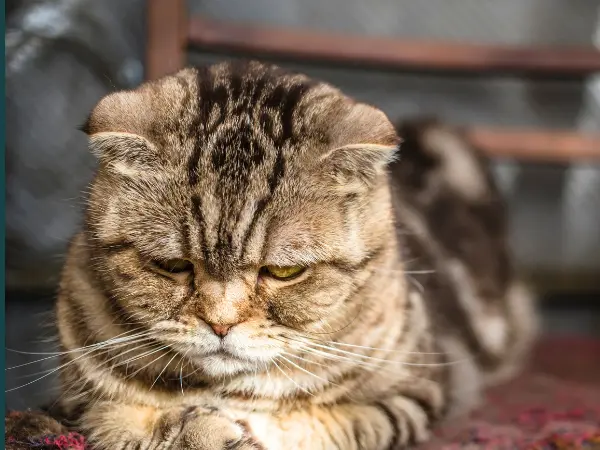
As a cat parent, you may have noticed that your feline companion has a different sleep pattern. Most cats take naps throughout the day, totaling around 12 to 16 hours of sleep each day. Furthermore, cats are typically active at dawn and dusk. Because of this, many pet parents wonder, “What does cat lethargy look like?”. While it can be challenging to spot, there are a few clues you can look for.
What is Lethargy in Cats?
Lethargy in cats is an abnormal decrease in their energy or alertness. It is one of the most important symptoms of illness or a health issue in cats, especially since cats tend to hide their pain and discomfort. Lethargy in cats is one of the clearest behavioral signs that something may be wrong.
What Does Cat Lethargy Look Like? [Signs of Lethargy]
A lethargic cat is not just sleepy. A lethargic cat may show the following signs:
- Unusually tired, weak, or uninterested in activities they normally enjoy, such as eating or interacting with family members.
- Listless or mentally disengaged from things happening around them.
- May spend more time hiding.
- May be moving more slowly or is reluctant to move.
When Should I Worry About My Cat Being Lethargic?
If your cat’s lethargy is sudden and unexpected (not caused by medications, vaccination, or other procedures), they are likely to need veterinary attention. Here are some tips on how to know which type of veterinarian to call:
- If your cat’s lethargy is prolonged (longer than 24 hours) → contact a same-day or urgent care veterinarian.
- If your cat’s lethargy is accompanied by fever, loss of appetite, vomiting, or diarrhea → contact an urgent care veterinarian.
- If your cat’s lethargy has severe symptoms such as loss of consciousness, difficulty breathing, or active seizures → contact a vet ER.
- If your cat’s lethargy follows the ingestion of potentially toxic substances → you can call the Pet Poison Helpline / ASPCA Animal Poison Control Center—OR call an ER vet in case of long wait times in both helplines.
→ Does your cat need to see a vet? Sploot is an urgent care veterinarian, open from 8 AM to 8 PM, with conveniently located, full-service vet clinics in Denver, Colorado Springs, Chicago, and Salt Lake City. For urgent concerns, please call us at your corresponding location.

How Can I Help My Lethargic Cat?
While monitoring your cat or waiting for your veterinarian’s next steps, allow your cat to rest in a quiet, comfortable space. Make sure fresh water is always available. You can also offer small amounts of their favorite food to encourage eating, but avoid forcing food or medications.
If you suspect the ingestion of something toxic or poisonous to cats, we recommend bringing the packaging with you when it’s time to head to the vet clinic.
7 Common Causes of Lethargy in Cats
1. Veterinary Procedures & Vaccinations
In some cases, a cat’s temporary lethargy is expected, especially when it following any of the following:
- After cat vaccinations – Some cats may feel sleepy or less active for 24–48 hours as their immune system responds to the vaccine. Mild soreness at the injection site is also common.
- Certain medications – Medications such as pain relievers, sedatives, antihistamines, or anti-anxiety meds for cats can cause temporary sleepiness or reduced activity.
- After anesthesia – Drowsiness, grogginess, and lower energy levels are expected while recovering from anesthesia, whether for veterinary surgery or feline dental procedures.
2. Cat Pain or Injury
Cats are very good at hiding pain, so lethargy in cats may be one of the first noticeable signs of an injury, dental pain, or underlying discomfort. Pain can reduce a cat’s energy levels and make them less interested in normal activities. Common accompanying symptoms may include limping, hiding, decreased appetite, sensitivity to touch, and reluctance to jump or move.
3. Infections in Cats
At times, lethargic cats may be struggling with bacterial, viral, or fungal infections, which can make them feel fatigued as their immune system fights the illness. Even mild infections may cause noticeable lethargy in cats. Common accompanying symptoms may include fever, sneezing, coughing, vomiting, diarrhea, nasal discharge, and decreased appetite.
4. Dehydration in Cats
When cats do not drink enough water or lose fluids through vomiting or diarrhea, dehydration can quickly lead to lethargy in cats. Dehydration in cats can also produce the following symptoms: refusal to eat or drink, panting or labored breathing, sticky gums, rapid pulse, cold paws and limbs.

5. Gastrointestinal Upset in Cats
Digestive issues such as an upset stomach, parasites, or inflammatory conditions can leave cats feeling uncomfortable and lethargic. Common accompanying symptoms include vomiting, diarrhea, loss of appetite, and abdominal discomfort.
6. Stress or Anxiety
Major changes in a cat’s environment or routine can cause stress-related lethargy in cats. Some cats may withdraw or sleep more when they feel overwhelmed. Other signs of stress in cats may include hiding, decreased appetite, changes in litter box habits, reduced social interaction, and excessive grooming.
7. Chronic Systemic Illness
Conditions such as kidney disease in cats, diabetes, heart disease, or hyperthyroidism can gradually reduce a cat’s energy levels over time. Lethargy is often one of the more noticeable early warning signs.
Other signs of systemic or metabolic illnesses may include rapid weight loss, sudden weight gain, increased thirst, changes in urination, and appetite changes.
→ Looking for a nearby vet to treat your cat? We’re always here to help! Sploot is an all-in-one vet clinic, offering primary care, urgent care, and emergency vet services. For urgent concerns, you can call our vet clinics in Denver, Colorado Springs, Chicago, or Salt Lake City. You can also book an appointment here at the earliest availability.
Diagnosing & Treating Lethargy in Cats at Sploot Vets
In-House Diagnostics for Fast Answers
Sudden cat lethargy is often a symptom of an underlying issue. At Sploot, our experienced veterinarians have access to state-of-the-art facilities, including in-house veterinary diagnostics, to get to the root of the problem efficiently.
Cat-Friendly & Fear Free
Stress can aggravate a cat’s condition. This is why we offer a cat-friendly vet clinic environment and Fear Free veterinary techniques. From in-clinic cat lounges to free treats from the treat bar, we do what we can to make every vet visit a positive experience.
Detailed Care Instructions
Lethargy in cats is typically caused by an underlying health issue that needs in-clinic treatment followed by at-home care. Our veterinarians will provide detailed instructions so that you can confidently care for your cat once the vet clears them to go home.

Sploot Vets: Your All-in-One, Fear Free Cat Vet Clinic
Experience all-in-one, Fear Free veterinary care at Sploot. We cover more than 95 percent of your cat’s health needs, with primary care, urgent care, and emergency vet services all under one roof.
Aside from all-in-one convenience, our cat-friendly vet clinics are open 365 days a year, with extended hours to fit your schedule. Visit one of our vet clinics in Denver, Colorado Springs, Chicago, and Salt Lake City today!
Book a vet visit online or call us at (720) 770-8656 for urgent concerns.