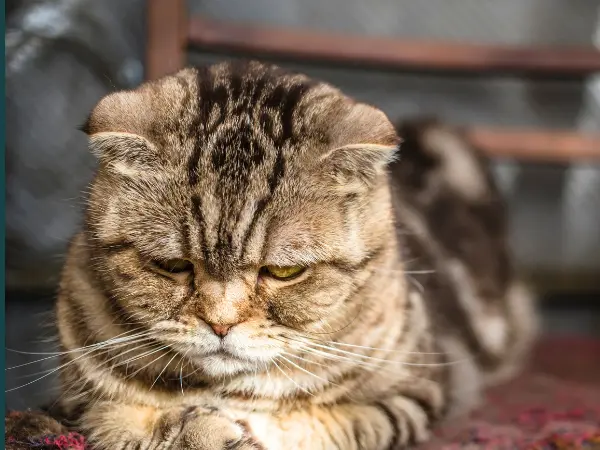
Is your cat vomiting? While occasional vomiting (once a month or less) may be tied to minor stomach irritation in cats, frequent or chronic vomiting in cats may need veterinary attention. In addition, the color of your cat’s vomit may give clues regarding the cause.
In this Sploot Vets guide, we talk about cat vomiting, possible causes, what the color of the cat’s vomit could mean, and so on.

Why Is My Cat Vomiting?
A cat’s vomiting can be caused by a wide range of issues, from mild to more serious medical concerns. The timing of your cat’s vomiting and any paired symptoms helps to give clues on whether or not urgent veterinary care is needed.
1. Cat Vomiting With Diarrhea
When a cat’s vomiting and diarrhea occur together, it often points to feline gastrointestinal upset. This can be triggered by eating something unusual, sudden diet changes, food intolerances, cat food allergies, or feline intestinal parasites. Viral or bacterial infections can also cause both symptoms at once.
Vomiting and diarrhea can quickly lead to dehydration in cats, especially in kittens, senior cats, or cats with underlying health conditions. Urgent veterinary care is recommended.
Note: Sploot veterinarian, Dr. Courtney Parker, reminds pet parents: “Vomiting and diarrhea can also point to a more serious condition, such as foreign obstructions or toxicity. Please see your veterinarian right away if your cat’s vomiting and diarrhea last longer than 12 hours.”
2. Sudden Vomiting in Cats
When a cat is suddenly vomiting, it may be linked to a one-time irritation of the stomach, food poisoning, or toxin ingestion (e.g., poisonous items to cats, toxic plants for cats).
Even if vomiting happens just once, we recommend figuring out what your cat may have recently ingested. In addition, take a photo of the cat’s vomit and reach out to an urgent care veterinarian, especially if the cat vomits again, refuses treats or their regular diet, or is appearing weak.
Note: If you suspect poisoning, take the packaging (if any) of the ingested substance for reference. You can try reaching out to Pet Poison Helpline or ASPCA Animal Poison Control Center. You can also seek guidance from an urgent care veterinarian or emergency vet directly, especially if helplines have long waiting times.
3. Chronic Vomiting in Cats
Chronic vomiting in cats refers to vomiting that occurs regularly over weeks or months. This type of vomiting may be associated with underlying conditions such as inflammatory bowel disease (IBD), kidney disease, liver disease, hyperthyroidism, or food allergies, or neoplasia (cancer). Persistent vomiting always warrants a veterinary evaluation.
4. Cat Vomiting After Eating
If your cat vomits shortly after meals, the issue may be related to how or what they’re eating. Eating too quickly, food sensitivities, or abrupt diet changes are common culprits. If this is happening to your cat, we recommend scheduling a check-up, possible blood work, and nutritional evaluation.
5. Cat Vomiting After Traveling or a Stressful Event
Stress can have a significant impact on a cat’s digestive system. Traveling with a cat, moving to a new home, introducing new pets, or changes in routine can all trigger stress-related cat vomiting. Some cats also experience motion sickness during car rides.
While stress-induced vomiting may resolve once your cat feels settled, severe or prolonged cat vomiting after a stressful event is best brought to a veterinarian’s attention.

Cat Vomit Color Chart & What The Colors Can Mean
Along with the timing of cat vomiting and paired symptoms, the color of the cat vomit also presents valuable clues as to what could be going on in their system. Here is a cat vomit color chart, along with an explanation of what the cat vomit colors mean:
1. Cat Vomiting Clear Liquid
Clear liquid cat vomit usually consists of water or gastric fluids. Some of the most common causes of this type of cat vomiting include:
- Drinking a large amount of water quickly
- Early gastrointestinal upset
- Stress in cats
Note: Repeated episodes of clear liquid vomiting should be evaluated by a veterinarian, especially if your cat is not eating normally.
2. Cat White Frothy Vomit
White, foamy cat vomit is often made up of saliva and stomach acid. It commonly occurs when a cat’s stomach is empty and has nothing else to eliminate. The most common causes of this type of cat vomiting include:
- Acid reflux
- Meals that are spaced too far apart
- Mild stomach irritation
- Nausea or motion sickness in cats
Note: Call a vet if your cat has vomited more than once or is displaying other concerning symptoms.
3. Cat Yellow Or Yellow-Brown Vomit
Yellow or yellow-brown vomit usually contains bile, a digestive fluid produced by the liver. Similar to white, frothy vomit, yellow vomit can also be triggered by an empty stomach—but it can also occur after eating or alongside chronic conditions. The common causes of this color of cat vomit include:
- Empty stomach and/or meals spaced too far apart (bilious vomiting syndrome)
- Eating too quickly
- Sudden dietary changes
- Gallbladder issues
- Pancreatitis in cats
- Liver disease in cats
- Cancers in cats
Note: We recommend calling a vet if your cat vomits more than once or is showing more serious symptoms. Signs of cat pain and appetite loss may signal the need for urgent vet care.
4. Cat Vomiting Blood
Blood in a cat’s vomit is always concerning. It may appear as bright red streaks (if from the upper GI) or darker material (if from the lower GI. Common causes of cat vomiting blood include:
- Trauma to the mouth
- Stomach ulcers (can be secondary to kidney/liver disease)
- Internal bleeding
- Ingestion of a foreign object
- Toxin exposure
Note: if your cat is vomiting blood, they may need urgent or emergency vet care, especially if the cat is weak, lethargic, or showing signs of pain.
5. Cat Vomit Furball
‘True hairballs’ are dry and compressed; healthy cats release these around once or twice a month. For cats that have frequent hairballs from shedding or difficulty passing hairballs, there are various cat hairball remedies that can help.
However, a cat vomiting fur or hair clumps is a different matter. This can be caused by:
- Fur accumulation in the gut
- Gastrointestinal issues
- Inflammatory bowel disease
Note: If your cat is vomiting furballs, schedule a vet appointment. Even if the vomiting of fur balls occurs every few weeks, this still warrants a check-up.
6. Cat Vomit With Worms
A cat vomiting worms is a clear sign of an intestinal parasite infestation, most commonly roundworms in cats. Kittens can be infected via their mother’s breast milk; meanwhile, older cats can get roundworms from contaminated soil, infected stool, and infected prey.
Note: Cat vomit with worms is a clear indicator that a deworming treatment is needed. Left untreated, intestinal parasites can lead to weight loss, vomiting, diarrhea, and overall poor health. If this is noted, please contact your veterinarian immediately.

When Should I Be Concerned About My Cat Vomiting?
As elaborated in the above sections, pet parents need to be concerned about a cat’s vomiting when…
- The cat’s vomiting is sudden and could be linked to eating something inappropriate or toxic → may need urgent or emergency care
- The cat’s vomit has blood → may need emergency vet care
- The cat’s vomiting is paired with signs of cat pain, lethargy/weakness, or clues of toxin ingestion → may need emergency vet care
- The vomiting is repeated or persists for more than 12 hours → may need urgent care
- The vomiting is paired with diarrhea, placing the cat at risk of feline dehydration → may need urgent care
- The cat’s vomiting happens chronically or after eating their food → may need a check-up
- The cat’s vomit contains worms → immediately needs a check-up
- The cat’s vomit has fur clumps → may need a check-up
Can A Cat Recover From Vomiting?
Some cases of cat vomiting can resolve on their own. If the vomiting was caused by stress or motion sickness, symptoms may clear once the cat has rested and is in a calm, stable environment.
Meanwhile, vomiting caused by hunger or eating too fast can be resolved with a slight adjustment to the cat’s feeding schedule or with the use of a slow feeder for cats, respectively.
However, for other causes of vomiting, cats may need a check-up, urgent vet care, or emergency care, as explained in the previous section.

What Can I Give My Cat for Vomiting?
If your cat is vomiting, veterinarians can provide your cat with the targeted treatment they need to feel better.
In some cases, veterinarians may prescribe antiemetic (antivomiting) medications for cats to help control vomiting, especially for issues like motion sickness, acute gastrointestinal upset, pancreatitis, or nausea related to kidney or liver disease. However, antiemetics are typically part of a broader treatment plan, not a standalone solution; these usually can only be prescribed after more serious conditions have been ruled out via a doctor’s exam and diagnostics.
In most situations, your veterinarian will focus on identifying and treating the root cause of the vomiting, whether that involves dietary changes, parasite treatment, managing chronic disease, removing a foreign object, or addressing stress-related triggers.
How We Treat Cat Vomiting at Sploot Vets
At Sploot Veterinary Care, we provide top-tier care for a wide range of health issues in cats. If your cat is vomiting, here is how we can help:
Call Ahead for Tele-Triage Services
If you’re unsure whether your cat’s vomiting is urgent, we encourage you to call ahead at (720)770-8656. Our team can perform tele-triage, asking key questions about your cat’s vomiting and condition. This helps us determine how quickly your cat should be seen and ensures we’re prepared when you arrive. We offer extended vet clinic hours and same-day appointments, providing care when you need it most.
Stabilizing Your Cat’s Condition
If your cat is actively vomiting or showing signs of dehydration, pain, or lethargy, stabilization comes first. This may include fluid therapy, anti-nausea medications, pain management, and so on. Stabilizing your cat upon arrival helps prevent complications and discomfort while we work to identify the underlying issue.
In-House Veterinary Diagnostics & Personalized Treatment
To pinpoint the cause of vomiting, we often rely on in-house diagnostics that provide fast answers. These may include bloodwork, fecal testing, urinalysis, or imaging such as X-rays or ultrasound.
Once we understand what’s causing your cat’s vomiting, we create a personalized treatment plan tailored to their specific needs. This may involve medications, dietary changes, parasite treatment, stress management, or ongoing care for chronic conditions. We also provide clear guidance for at-home monitoring and follow-up, so you feel confident every step of the way.

Final Thoughts on Cat Vomiting
While occasional cat vomiting can be harmless, it’s not always easy to tell when something more serious is going on. Because cats are experts at hiding discomfort, it’s always best to be careful and get veterinary guidance if vomiting is frequent, sudden, or accompanied by changes in their behavior.
Sploot Vets: All-in-One, Fear Free Cat Vet
Whether you need assistance with cat vomiting or other health issues, we’re always here to help! Sploot Veterinary Care offers all-in-one care, with primary care, urgent care, and emergency vet services all under one woof™!
Aside from our experienced vets and state-of-the-art facilities, we also offer a Fear Free veterinary approach that prioritizes your cat’s comfort and well-being.
Visit one of our vet clinics in Colorado Springs, Denver, and Chicago today! We are open 365 days a year with extended vet clinic hours to fit your schedule.
Easily book your appointment online or through the Sploot Vets app! You can also call us at (720) 770-8656 for urgent concerns.