

Have you noticed your cat making frequent trips to the litter box or straining to pee? These are possible signs of a cat UTI. In severe cases, cats may avoid the litterbox as they associate it with pain and instead urinate in other parts of the house. Blood in a cat’s urine is also another possible sign of a cat UTI.
UTI in cats can affect both male and female cats, and if left untreated, it can lead to life-threatening complications. This is why it’s important for pet parents to know the signs of UTI, especially during the warmer months when UTI in cats generally peaks.
This Sploot Vets guide talks about cat UTI, symptoms of UTI in cats, how cat UTI can differ in male and female cats, and more.
Cat UTI: What is It & Which Cats Are at Risk?
Cat UTI (urinary tract infection) is primarily caused by bacteria migrating into the urethra and/or bladder. Normally, cats can groom themselves and have natural defenses to prevent this kind of infection. Therefore, bacterial urinary tract infection is not common in healthy cats.
However, the following cats may be at a higher risk of getting UTI:
- Female cats – Female cats have shorter and wider urethras, making them structurally more prone to UTI than male cats. However, male cats' UTI symptoms can be more severe.
- Older cats – Older or senior cats have a compromised immune system, which can make them more susceptible to urinary tract infections, as well as other infections.
- Cats with mobility issues – Cats with joint issues (e.g., arthritis in cats, injuries) and overweight cats tend to have trouble grooming themselves; this can increase the risk of cat UTIs as bacteria build up in the area near the urethra.
- Cats with certain health conditions – Diabetes in cats can lead to sugar or glucose in the cat’s urine, which creates an environment where bacteria thrive. Meanwhile, kidney disease in cats produces urine that is too diluted to kill off invading pathogens.
.webp)
Common Cat UTI Symptoms
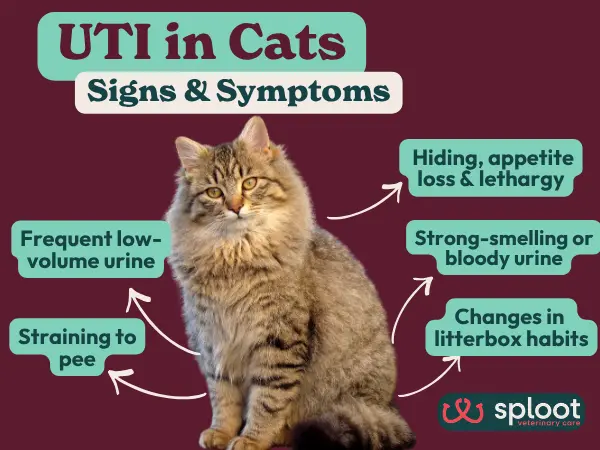
Cat UTI symptoms can be subtle at first, especially because cats often hide pain and discomfort. However, urinary tract issues can become painful and serious if left untreated. Here are signs to watch out for:
1. Frequent & Small Amounts of Urine
Cats with UTI may enter and exit the litter box more often than usual. Additionally, only a few drops of urine may come out at a time. Sometimes cats may posture themselves as if they’re trying to pee but produce little or no urine. If you see this symptom of cat UTI, bring your cat to the vet as soon as possible.
2. Painful Urination & Changes in Litterbox Habits
Cats with UTI might cry or vocalize as they try to pee. This is because a urinary tract infection leads to severe inflammation of the urinary tract, which can cause a burning sensation as urine passes.
In some cases, cats may associate their litterbox with pain, causing them to urinate outside the litter box or have accidents around the home. If you observe these cat UTI symptoms, bring your cat to the vet promptly.
3. Blood in the Cat’s Urine
In more severe cases of cat UTI, a cat’s urine may have blood or hematuria. The urine can appear pink, red, or brown. This happens due to the inflammation in the urinary tract. As acidic urine passes, blood vessels can break in the delicate, inflamed lining, causing some blood to appear in urine. However, blood in urine can also be a sign of other urinary issues—such as feline idiopathic cystitis, urinary tract stones, or tumors.
Note: Blood in a cat’s urine is not always easily observable, especially with dark colored litter. However, if you see this symptom in your cat, bring them to an urgent care veterinarian.
4. Strong-Smelling Urine
Cats with UTI may have strong-smelling urine because their urine’s composition is altered by the UTI-causing bacteria plus the changes in their urination patterns. Bacteria in the urine can produce waste products, leading to an unpleasant smell.
Additionally, as the urine becomes more concentrated in cats with UTI, it has a more pungent or ammonia-like odor. If you observe these cat UTI symptoms, bring your cat to the vet promptly.
5. Hiding, Reduced Appetite, Lethargy in Cats
Some cats become withdrawn, unsettled, or less social when they are in pain or as their body fights the infection. More serious infections can affect the cat’s energy, leading to uncharacteristic cat lethargy and a decrease in appetite.
While these are more subtle symptoms of a possible cat UTI or other health issue, it would be best to contact a same-day veterinarian if you observe these symptoms in your cat to get a prompt diagnosis and treatment plan.
6. Emergency Cat UTI Symptoms: No Urine & Toxin Buildup
When a cat’s urethra becomes completely blocked due to untreated UTI, the waste products normally removed through urine, begin to build up in the body. Toxin buildup due to cat UTI can lead to extreme lethargy, disorientation, vomiting, or collapse. If you see these symptoms, contact an urgent care vet or 24/7 vet ER as these symptoms can become fatal.
Female Cat vs Male Cat UTI Symptoms
Both male and female cats can develop the same cat UTI symptoms: frequent, low-volume urination, pain while peeing, strong-smelling urine, hiding, and so on. The key differences are the following:
1. Male cat UTI symptoms can lead to blockages faster
While male cats are less prone to UTIs, their narrower urethra puts them at higher risk for urinary blockages due to cat UTI. If a male cat shows any symptoms of urinary tract infection and is producing very little to no urine, bring them to an urgent care or emergency vet.
2. Female cat UTI symptoms can be missed
Since female cats are less likely to have urinary blockages, they may still be passing urine even when something is wrong. Pet parents should be aware of the subtler female cat UTI symptoms—such as more frequent litter box trips, strong-smelling urine, blood in the urine, and so on.
Even if symptoms seem mild, female cats with urinary changes should be evaluated by a vet promptly. Try to find a same-day or urgent veterinarian near you.
→ Need to schedule a prompt vet visit for suspected cat UTI? We’re here to help. Sploot has vet clinics in Denver, Colorado Springs, Salt Lake City, and Chicago. For a prompt vet visit, book an appointment here—for urgent concerns, call us at (720) 770-8656
Signs of UTI in Cats vs. Other Urinary Problems
It’s always best to bring your cat to the veterinarian if they’re showing signs of feline urinary tract infection. This is because symptoms are not enough to make a diagnosis. Some of the symptoms of cat UTI overlap with other urinary conditions in cats, such as the following:
- Feline idiopathic cystitis (FIC) – A common condition in cats involving bladder inflammation, often linked to chronic stress, that can cause pain, straining, frequent urination, and blood in the urine. FIC is generally more common than bacterial UTIs in cats. Sploot Medical Director, Dr. Amy Casali notes: “In my experience, for every true feline bladder infection we see at the clinic, we probably see around 20 cases of FIC.”
- Urinary crystals or stones – Mineral buildup can irritate the bladder and make urination painful.
- Kidney disease in cats – Changes in urination, thirst, and urine concentration can mimic or contribute to urinary problems. This is especially common in senior cats.
- Hyperthyroidism – Increased thirst may contribute to urinary changes, including more frequent urination, especially in older cats.
Because the symptoms of UTI in cats are not exclusive to this condition, veterinary exams and lab testing are important before starting treatment.
How Vets Diagnose UTI in Cats
Because many urinary conditions have overlapping symptoms, a vet will evaluate your cat’s symptoms, medical history, litter box habits, and overall health. Veterinary diagnostics or lab testing can be used, alongside clinical observations, for utmost accuracy.
At Sploot, our veterinarians typically take the following steps for diagnosis:
1. Physical Exam & Stabilization
A physical exam is often the first step in evaluating a possible cat UTI. The veterinarian will check your cat’s hydration, temperature, heart rate, and overall comfort while gently feeling the abdomen for pain or unusual fullness. They may also examine the genital area for irritation, discharge, or signs of urinary leakage. These findings help the veterinarian assess how urgent the condition may be.
Note: As a full-service vet clinic, Sploot handles both primary care and urgent care. If our vets observe urgent cat UTI symptoms, such as an ongoing blockage or toxin-buildup due to the blockage, we will focus on stabilizing your cat’s condition.
2. Lab Testing For Cat UTI: Urinalysis, Bloodwork, Etc.
Laboratory testing helps determine whether your cat’s urinary symptoms are caused by a bacterial infection or another urinary condition. Vets may recommend the following:
- Urinalysis – A urinalysis evaluates the urine for blood, inflammation, crystals, bacteria, concentration, and other abnormalities.
- Bloodwork – This may be recommended to check kidney function, hydration, electrolyte levels, and signs of a more serious illness
- X-ray or ultrasound (as needed) – Imaging provides a closer look at the bladder wall, kidneys, and surrounding tissues. These are likely requested when urinary stones or other structural problems need to be ruled out.
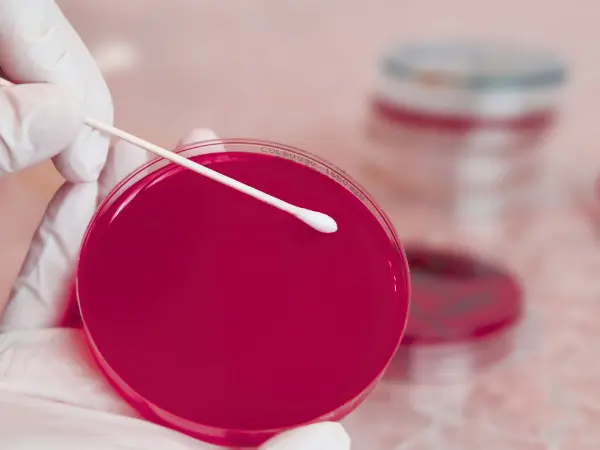
- Urine culture and sensitivity (as needed) – This identifies the bacteria causing the cat UTI and shows which antibiotics are most likely to work. The results of urine culture tests can take around 5 to 7 days.
Sploot Medical Director, Dr. Amy Casali explains the necessity of urine culture in many cases of feline UTI: “Urine culture and sensitivity testing is the gold-standard method for confirming a bacterial UTI and is recommended in any suspected case of bladder infection in cats.”
Cat UTI Treatment (Outpatient)
At Sploot, treatment for cat UTI is personalized according to the cat’s individual needs. If the cat does not have severe symptoms and can still pass urine, they may be able to go home the same day. The treatment plan will typically include:
1. Immediate Pain Management & Hydration Support
After an initial assessment, veterinarians may provide medications for pain relief as well as hydration support.
2. Cat UTI Medicine
Medications for cat UTI may include pain medication for cats, anti-inflammatories, and antibiotics (if testing confirms a bacterial infection). The antibiotics may be adjusted later on depending on urine culture findings, if urine culture was done (results may take around 5 days).
3. Treatment for Underlying Diseases
Conditions such as kidney disease in cats, diabetes, and bladder stones can increase a cat’s risk of developing a UTI. Your veterinarian may provide additional treatment recommendations for these underlying conditions. Managing them supports your cat’s overall health and may also help reduce the risk of recurring UTIs.
4. Additional Care Recommendations for Cat UTI
Your veterinarian may recommend personalized tips on increasing water intake, feeding a urinary-support diet, reducing your cat’s stress, and litter box optimizations.
→ Got questions about your cat’s health? We’re here for you 365 days a year! Sploot has vet clinics in Denver, Colorado Springs, Salt Lake City, and Chicago. For a prompt vet visit, book an appointment here—for urgent concerns, call us at (720) 770-8656
Cat UTI Treatment (Emergency)
Emergency signs of a severe cat UTI can include collapse, extreme weakness, and vomiting, which are linked to toxin buildup caused by a complete urinary blockage. These severe cases require emergency veterinary care and may involve urinary catheterization and overnight hospitalization.
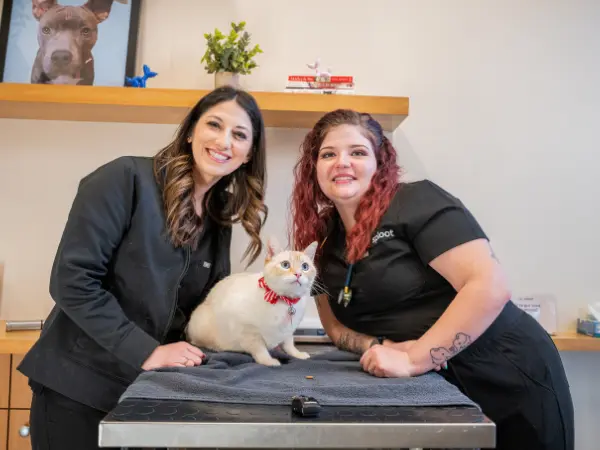
As a full-service vet clinic, Sploot can handle more than 95% of a cat’s veterinary needs and can provide emergency stabilization when needed. During our extended clinic hours (8 AM to 8 PM), you can call our tele-triage team for guidance.
However, because Sploot is NOT an overnight animal hospital, cats that require hospitalization will likely be referred to a veterinary ER after their condition has been stabilized.
Can a Cat UTI Go Away on Its Own?
In most cases, no, a cat’s urinary tract infection does not go away on its own. A suspected cat UTI needs veterinary attention to confirm the cause and provide appropriate treatment. Cat UTI also has symptoms similar to other urinary issues that need prompt treatment.
Delaying care for UTI in cats can lead to ongoing pain, worsening complications, the spread of the infection to the kidneys, and life-threatening urinary blockages.
How to Help Prevent UTI in Cats
Cat UTI can’t always be prevented. However, the following preventative care tips can help prevent urinary problems in your cat:
1. Annual or Bi-Annual Wellness Exams
Pet wellness exams give your cat a voice, especially because cats often hide signs of discomfort or illness. Regular checkups can help identify urinary concerns and underlying health conditions before they become more serious.
For young and adult cats, we recommend scheduling a pet wellness exam at least once a year. Older and senior cats may benefit from biannual wellness exams, which allow veterinarians to monitor age-related changes and identify potential health concerns earlier.
2. Litterbox Hygiene
Keep litter boxes clean, easy to access, and placed in quiet areas of the home. A dirty or stressful litter box setup may cause some cats to hold their urine, which can contribute to urinary problems.
3. Proper Hydration In Cats
Fresh water should always be readily available. Because many cats are more attracted to flowing water, consider using a cat drinking fountain to encourage more frequent drinking.
4. Dietary Optimizations
Combining wet and dry food can help introduce more moisture into your cat’s diet. Wet cat food may be especially helpful for supporting hydration and urinary health.
Additionally, for cats that have an unhealthy weight, they can be at risk of cat UTI if their weight prevents them from properly grooming themselves in their genital area. You can talk to your veterinarian about the best cat food for weight management, along with lifestyle tips, to help your cat achieve a healthy weight.
5. Stress Management for Cats
Stress in cats is often missed because the signs can be subtle. Stress also contributes to urinary tract disorders in cats. Establishing a predictable routine, quiet resting areas, and enough litter boxes (especially for multi-cat households) can help reduce stress in cats and support urinary health.
Final Thoughts on Cat UTI
We hope you found this article about cat UTI helpful. UTI in cats has several symptoms that overlap with other urinary issues. However, in any case, prompt veterinary care is crucial as urinary issues can cause ongoing pain and potentially escalate into life-threatening complications.
When in doubt, always consult a veterinarian so your cat can receive the targeted treatment they need, as well as a long-term care plan to prevent cat UTI or other feline urinary issues moving forward.
Sploot Vets: Your All-in-One Cat Vet
Sploot Veterinary Care provides top-tier veterinary care for cats with urinary symptoms and other health issues in Denver, Colorado Springs, Salt Lake City, and Chicago.
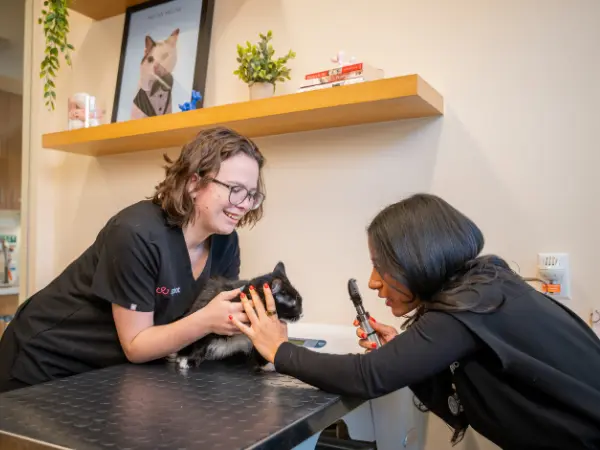
As an all full-service vet care provider, Sploot offers primary care, urgent care, and emergency stabilization services under one roof. Along with all-in-one, top-tier veterinary care, we also provide a Fear Free veterinary experience, prioritizing your cat’s well-being every step of the way.
Our doors are open 365 days a year with extended clinic hours (8 AM to 8 PM), making it easier to get trusted care when your cat needs it most. Visit one of our stress-free vet clinics in Denver, Colorado Springs, Salt Lake City, and Chicago today!
Book an appointment online or through the Sploot Vets app.