

Noticing your cat slowing down, having dull fur, and losing weight? If they are close to 10 years of age, they are likely to be nearing their senior years. Cat parents may wonder, “Does this change their routine care significantly?”---and the answer is yes. As your cat nears their senior years, certain adjustments help to keep them thriving.
In this Sploot Vets guide, we discuss when a cat is considered a senior and what this means for their diet, grooming, vet visit frequency, dental care, and overall routine care.
When Is a Cat Considered a Senior?
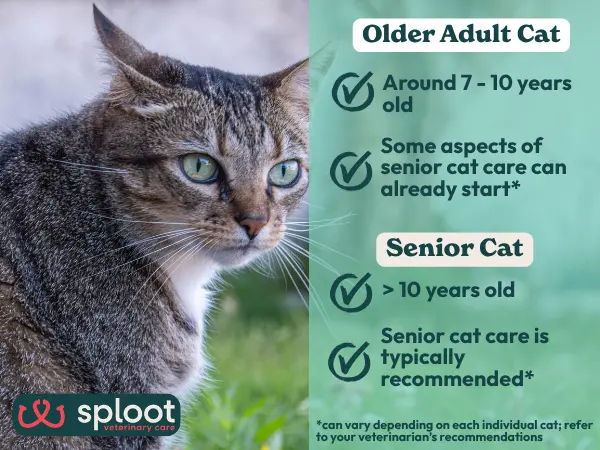
Cats reach their senior years when they are 10 years old and above. According to the guidelines of the AAHA and AAFP (‘American Animal Hospital Association’ & ‘American Association of Feline Practitioners'), these are the main cat life stages:
- Kitten – birth up to 1 year
- Young adult cat – 1 to 6 years old
- Mature adult cat – 7 to 10 years old
- Senior cat – More than 10 years old.
For cats, the above life stage guidelines apply generally to all cats since cat breeds do not vary too much in size. (Too much variance can result in different age timelines, as seen in dogs.) However, in cats, even slightly larger breeds (e.g., Maine Coons, Ragdolls) still reach their senior years at roughly the same timeline as other cats.
When Should Senior Cat Care Start?
While cats are officially considered ‘senior’ after reaching 10 years of age, senior cat care can start at around 7 years old, depending on your veterinarian’s recommendations. This is why there are plenty of ‘senior cat foods’ indicated for 7 years of age and above.
Similarly, for mature adult cats (7 – 10 years old) AND senior cats (>10 years old), the AAHA and AAFP provide numerous similar guidelines for the cats’ 1) physical exam protocol and 2) the diseases/conditions that need special focus from the veterinarian.
How Do You Care for a Senior Cat?
Here are some ways that you can help your older or senior cat thrive:
1. Veterinary Wellness Exams Twice a Year
The AAHA and AAFP recommend pet wellness exams for senior cats every 6 months or twice a year. This is a crucial part of preventative care for cats, especially since most cats have a tendency to hide their pain or discomfort.
Senior cats are also more prone to developing health issues. In fact, it is recommended by the AAHA and AAFP for veterinarians to pay close attention to the following conditions or diseases for both mature adult cats (7 – 10 years old) AND senior cats (>10 years old):
- Periodontal disease and tooth resorption
- Osteoarthritis in cats and back pain
- Chronic gastrointestinal diseases (Gl lymphoma, inflammatory bowel disease)
- Chronic kidney disease
- Hyperthyroidism and diabetes mellitus
- Cancer
- Cognitive dysfunction syndrome
2. Senior Cat Nutrition
Depending on your cat’s needs, your veterinarian may recommend senior cat foods, some of which are formulated for cats that are 7 years old and above. Senior cat foods typically offer the following features:
- High-quality protein for muscle maintenance
- Antioxidants for cellular health
- Omega-3 and/or glucosamine for joint support
- Added hydration and controlled levels of phosphorus for kidney support
3. Getting Cat Furniture for Senior Cats
As cats age, their mobility is likely to be affected. More than 60 percent of cats over the age of 6 suffer from osteoarthritis. Therefore, as cats near their senior years, they may not be able to climb higher spots or squeeze into small openings as easily as they used to.
As cats age, here are some tips that veterinarians may provide regarding cat furniture selection:
- Cat beds for senior cats – try getting your cat an orthopedic bed with supportive cushioning (usually made of high-density memory foam) to help relieve pressure on your cat’s joints as they rest.
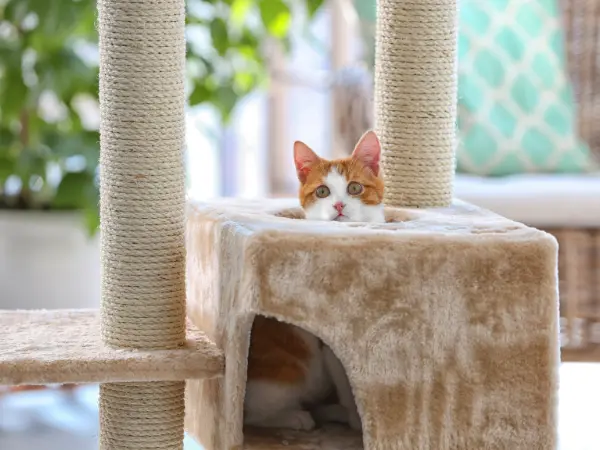
- Cat trees for senior cats – opt for cat trees where the platforms are larger and not too far from each other, allowing senior cats to easily climb and balance themselves. Padded platforms on cat trees can also provide additional support for cats with joint issues.
- Cat perches for senior cats – if your cat has trouble reaching their perch/es, you can add a ramp or steps to help them access the spot more easily.
- Cat boxes or hideouts – choose larger cat boxes with a larger opening so that your cat won’t need to squeeze through the small entrance; this helps prevent joint strain.
→ If you notice your cat struggling with any of the cat furniture in your home, consult a vet to check if they are suffering from joint problems. At Sploot Vets, we offer personalized vet care for senior cats, providing personalized recommendations to help older cats thrive. Book an appointment at one of our vet clinics in Denver, Colorado Springs, Chicago, and Salt Lake City today!
4. Proper Grooming Practices for Senior Cats
Having dull, matted fur is one of the possible signs that a cat is nearing their senior years. Due to limitations on their mobility, they may be unable to groom themselves as effectively as they used to. For this reason, senior cats need their fur brushed slightly more frequently than younger adult cats.
Frequent brushing for senior cats helps remove debris from an older cat’s fur, spreads their skin’s natural oils, and prevents matting. Here’s a fur brushing schedule you can follow:
- For short-haired senior cats – brush their fur a few times each week.
- For long-haired senior cats – brush their fur once a day.
As for bathing, it is recommended to bathe senior cats only when needed (e.g., soiled fur, treatment with medicated shampoos).
Note: Avoid bathing your senior cat too frequently (unless instructed by a veterinarian for treatment); frequent baths can dry out their fur and potentially cause stress or accidents, especially for frail senior cats.
5. Senior Cat Dental Care
As cats age, they become more prone to cat dental problems. This highlights the importance of at-home dental care for senior cats, regular dental exams, and professional cat teeth cleaning.
Brushing or cleaning your senior cat’s teeth at home helps reduce plaque buildup and maintain daily oral hygiene. While this isn’t a substitute for professional teeth cleaning, it is still helpful and generally recommended.
Note: For an easy step-by-step guide on two ways you can brush your cat’s teeth at home, refer to our guide: How to Brush or Clean a Cat's Teeth at Home [2 Vet-Approved Ways]
Meanwhile, comprehensive dental exams allow your veterinarian to check for underlying issues like periodontal disease, tooth resorption, or infections, which are more common in senior cats. The veterinarian may also recommend professional cat teeth cleaning if needed; this procedure removes hardened tartar (calculus) above and below the gumline.
6. Cognitive Health for Senior Cats
When cats are nearing their senior years, they may experience cognitive issues, resulting in anxiety or disorientation. You might notice changes like altered sleep patterns, increased vocalization, or confusion.
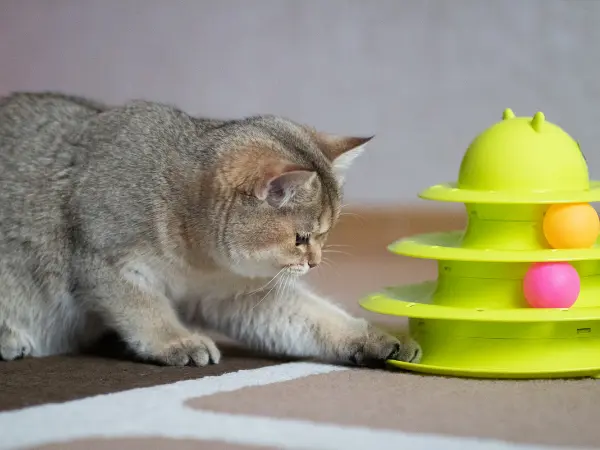
Providing a stable environment, maintaining consistent schedules, and offering gentle mental stimulation (e.g., interactive puzzle toys) can help support their cognitive function and reduce stress.
If your senior cat is suffering from cognitive issues, veterinarians may also recommend omega-3 supplements or anti-anxiety medications for cats as needed.
7. Managing Chronic Conditions
Senior cats are more prone to various chronic conditions. These may include kidney disease, arthritis, hyperthyroidism, or dental disease, which often require ongoing monitoring and long-term care.
In any case, early detection and treatment provide the best possible health outcomes for your feline friend. This is why regular, bi-annual pet wellness exams are so crucial for senior cats. These wellness exams screen for subtle clinical signs of disease as well as clues from veterinary diagnostics (e.g., senior blood panel for pets).
8. Having an Easy-to-Contact, Same-Day Vet (Preferably Fear Free)
An easy-to-contact veterinarian is important for every stage of your cat’s life—and it’s especially crucial during a cat’s senior years, when they are likely to need reliable medical support. In addition, same-day vet availability can save your senior cat’s life. When health issues arise or worsen, you need an urgent care vet that you can count on 365 days a year.
Lastly, by choosing a Fear Free vet clinic, you can minimize your cat’s stress during vet visits, contributing to their well-being.
→ At Sploot Vets, we offer all of the above. You get same-day urgent care, available 365 days a year, and a senior-cat-friendly Fear Free experience. Plus, our team is always just a call away, within our vet clinics’ extended hours. Book an appointment at one of our vet clinics in Denver, Colorado Springs, Chicago, and Salt Lake City today!
Sploot Vets: All-in-One & Fear Free Care for Your Senior Cat
If you have any questions about senior cat care tips and well-being, we’re always here to help! Sploot Vets offers all-in-one care for your senior cat, with primary care, urgent care, and emergency vet services all under one roof! This includes your senior cat’s wellness exams, sick visits, dental exams, veterinary surgery, and more.
In addition, our experienced veterinary teams prioritize your cat’s well-being and comfort with our compassionate, Fear Free veterinary approach.
Visit one of our vet clinics in Denver, Colorado Springs, Salt Lake City, andChicago—open 365 days a year with extended hours! Book an appointment online or through the Sploot Vets app!
Give Your Senior Pet Top-Tier Care Without Breaking the Bank—with SplootPack™
For senior pets, consistent vet care improves quality of life while contributing to longevity! With SplootPack™, you can get next-level vet care for senior pets with savings of up to $600+ each year!
Get 3 FREE senior pet exams or check-ups, 15% OFF dental procedures, 10% OFF on all Sploot’s services, and more!