If you’ve ever seen stalks with bushy ends that look spikey clusters or tufts of white fur, you’ve likely already seen a foxtail. If you ever see these during your hike or walk, do NOT let your dog play near them.
While foxtails can add character to a field, the barbed seeds of these grass-like weeds can pose serious risks to dogs, from eye injuries to life-threatening abscesses and infections.
In this Sploot Vets guide, we talk about foxtails, why they’re dangerous to dogs, removing foxtails from dogs, and when to call a vet.

Foxtails: Why are They Dangerous to Dogs?
Foxtails refer to certain grass plants that produce bushy, tail-like seed heads. These seed heads contain seed-bearing structures with bristles called seed awns. Grass seed awns can break off, especially when hardened and dry, and latch on to skin.
True foxtail seed awns have backward-facing barbs, causing the awn or bristle to burrow and advance or migrate through tissue. Foxtails can inflict injuries on virtually all tissues, and are especially dangerous and painful to the eyes, nasal passage, and ear canal.
Foxtails in dogs can lead to the following issues:
- Paw pain and swelling
- Non-healing skin wounds and infections
- Ear problems, irritation, and inflammation
- Eye injuries (severe ones can lead to permanent damage)
- Nasal passage irritation (if the foxtail is inhaled)
- Tissue migration – foxtail awns can travel deeper into the body, potentially going to the abdominal cavity, causing a serious, life-threatening infection.
Signs & Symptoms of Foxtails in Dogs
The signs and symptoms of foxtails in dogs depend on where the foxtail is embedded. These foxtail symptoms in dogs can appear instantly or after a few days.
1. Foxtail in a Dog’s Eye
If a foxtail awn scratches the dog’s eye or becomes trapped under a dog’s eyelid, the dog may show the following signs:
- Squinting or holding the eye closed
- Excessive tearing
- Redness or swelling
- Pawing or rubbing at the eye
- Eye discharge (this can mean there’s a secondary infection
What to do next: Do not try to flush or remove a foxtail from your dog’s eye at home, especially if it appears stuck. Contact an urgent care veterinarian or an emergency vet promptly, as repeated scratching or delayed treatment can lead to permanent eye damage. On the way to the veterinary hospital, you can put an e-cone on your dog to prevent them from further pawing at their eye.
2. Foxtail in a Dog’s Nasal Passage or Throat
If your dog inhales a foxtail awn, this can cause instant irritation to their nasal passage or throat. Here are a few signs to look out for:
- Pawing at the nose or face
- Sudden, repeated sneezing or snorting
- Nosebleeds
- Sudden reverse sneezing or coughing
- Gagging, wheezing, or difficulty breathing
What to do next: Do not try to remove the foxtail, as this can lodge it deeper. Contact a veterinary ER near you and bring your dog in for urgent treatment, especially if they have difficulty breathing.
3. Foxtail in a Dog’s Ears
Foxtail on a dog’s ear folds or lodged inside the ear can lead to various signs of irritation and ear infection. Here are the symptoms to look out for:
- Sudden head shaking or tilting the head (these indicate discomfort)
- Scratching one or both ears repeatedly
- Whining or sensitivity when the ear is touched
- Redness, odor, or discharge (these could mean a secondary dog ear infection)
What to do next: AVOID inserting cotton swabs or tweezers into the dog’s ear. Schedule a same-day vet visit so that a veterinarian can safely remove the foxtail. While waiting, you can let your dog wear an e-cone to prevent them from scratching their ear.

4. Foxtail in a Dog’s Paw
Foxtails commonly get stuck between the toes or paw pads. From there, they can puncture the skin and create a painful wound. Since foxtails in a dog’s paw is not as uncomfortable as eye, nose, or ear issues, many pet parents won’t notice a foxtail in a dog’s paw until later. Here are some early and later signs to watch out for:
Early signs include:
- Small visible plant material (this is before the foxtail awn burrows further)
- Licking or chewing one paw
- Mild limping
- Redness between the toes
Later signs include:
- A draining wound or open wound between the toes
- Worsening limp or inflammation
- Abscess formation (a pus-filled pocket may signal a secondary infection)
What to do next: If the foxtail is loose and sitting on the surface of the dog’s fur, gently remove it. If you can still see the base of the foxtail awn, you may be able to pull it out using blunt tweezers, as it is only partially embedded. If the foxtail is embedded deeper, schedule a prompt vet visit to have the foxtail safely removed.
5. Foxtail on a Dog’s Skin
Foxtails can catch in the coat and pierce the skin, especially around the underbelly, armpits, groin, chest, and long-haired areas. Similar to paw issues, foxtails on a dog’s skin may take a while for pet parents to notice, since the dog may not immediately show obvious signs of pain.
Early signs include:
- Visible foxtail in the coat or slightly embedded (this is before the foxtail awn burrows further)
- Localized licking, chewing, or scratching
- Red or irritated skin, slight inflammation
- A small bump or tender spot – This may develop where the awn entered.
Later signs include:
- A painful lump or swelling
- An open wound or draining tract
- Hair loss around the area (if the dog repeatedly scratches or chews on the area due to irritation)
- Fever, lethargy, or reduced appetite (signs of a more serious infection)
What to do next: Remove loose foxtails from the coat right away. If you can still see the base of the foxtail awn, you may be able to pull it out using blunt tweezers, as it is only partially embedded. If you cannot see the foxtail but the dog shows signs of having one, contact a veterinarian for a prompt vet visit. Do not dig into the skin to remove a suspected foxtail.
6. Foxtail Migration (Internal)
In more serious cases, a foxtail can migrate deeper into the body after being inhaled, swallowed, or embedded through the skin (especially in areas like the armpits, groin, or rectum).
While not common, the internal migration of foxtails can be serious because the awn may cause serious internal infections. Foxtail awns do not break down inside the body. Unfortunately, migration of foxtails into the dog’s chest or abdominal cavity has caused deaths.
Early signs include:
- Unexplained pain or sensitivity, especially around the abdomen, chest, or hindquarters.
- Ongoing licking or chewing
- Low energy or reduced appetite (early signs of systemic issues)
Later signs include:
- Swelling, abscesses, or draining wounds
- Fever or lethargy (these can be signs of an infection)
- Trouble breathing or a worsening cough (this can happen if the airway or lungs are involved)
- Abdominal pain, vomiting, or severe discomfort (these may occur if a migrating foxtail affects deeper tissues or organs)
What to do next: Seek urgent veterinary care. Internal foxtails can be difficult to find and may require imaging, sedation, or surgery for removal.
Note: Foxtails can produce subtle or serious symptoms, depending on the area affected and how long the foxtail has been there. It is very important to have a veterinarian who truly listens and recommends appropriate diagnostics when needed.

→ At Sploot, we offer all-in-one, full-service care, providing primary and urgent care under one roof—including in-house veterinary diagnostics to inform treatment decisions. If you suspect your dog may have a foxtail, visit one of our vet clinics in Denver, Colorado Springs, Salt Lake City, or Chicago. We are open 365 days a year with extended hours (8 AM to 8 PM). Book an appointment here or call us at (720) 770-8656 for urgent concerns.
Removing Foxtails from a Dog: When Is It Safe?
If a foxtail awn is just tangled in your dog’s fur or resting on the surface of their skin, remove it immediately using blunt tweezers or gloved fingers carefully. Do NOT slap it or brush it off, as you might accidentally make the foxtail embed into the dog’s skin or on your hand.
If the foxtail awn is slightly embedded in your dog’s skin and you can still see the base of the seed awn, you can try removing it with blunt tweezers. Carefully grasp the base of the seed awn with the tweezers and pull it out in one smooth motion. Do not twist as this can break off a piece of the barb.
When to See a Vet for Foxtails in Dogs: Urgent Care or Vet ER?
Only a veterinarian can remove deeply embedded foxtails. Here’s why:
- When a foxtail awn is deep under the skin – this causes a lot more pain when removed. Dogs may need local anesthesia or sedation.
- When a foxtail has abscess – this needs to be drained and cleaned before the foxtail awn can be removed. Dogs may also need local anesthesia or sedation.
- When a foxtail is embedded deeper in tissue, in body cavities, or in sensitive soft tissues (e.g., eyelids, throat, nose, ears, rectum) – these cases may require imaging, anesthesia, surgery, or a scoping procedure for safe removal.
So which vet should pet parents go to and when? An urgent care vet clinic like Sploot can assist with the initial stabilization, diagnosis, and/or treatment of the following:
- Foxtail on a dog’s skin, armpits, paws, or face
- Foxtails on the eye or eyelids
- Suspected foxtails in the ears or in the nose
- Suspected foxtails in the groin area or rectum
Meanwhile, it would be best to go to a full-service veterinary ER if the dog is wheezing or having trouble breathing due to suspected inhaled foxtails.
Preventing Foxtails in Dogs
- Trim long fur around the paws and ears to reduce the risk of trapping foxtail awns.
- Consider using protective accessories like dog boots to protect their feet or mesh field guards to protect their face and ears.
- Avoid tall, dry grasses and overgrown trails during foxtail season. Consider taking an alternative walking route.
- Keep your dog on-leash in areas where foxtails may be present.
- Check your dog’s coat, paws, ears, nose, eyes, belly, armpits, and groin after walks.
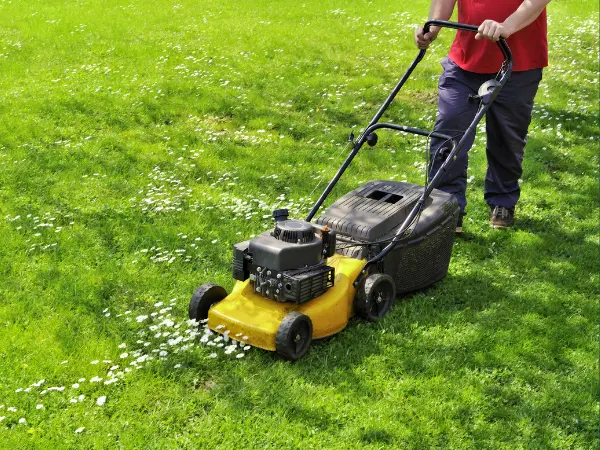
- Keep your yard mowed and remove foxtail grasses.
Additional Information: Foxtails & Pet Safety
When is Foxtail Season in the United States?
Foxtail season runs from May through October, with the highest risk during the summer. According to Trupanion, a pet insurance provider, foxtail claims peak during June, July, and August. This is because the seed heads fragment more easily, and barbs on the seed awn are much sharper as they dry up during the hot summer months. However, foxtails can still be dangerous during late spring and early fall
Are Foxtails Common in Colorado?
Yes, foxtails are common in Colorado, thriving in the region’s dry climate. In Colorado, foxtails can be found in dry grassy areas, open spaces, trails, and pastures. Longmont Humane Society describes foxtails as growing prolifically throughout Colorado, including lawns, gravel driveways, and sidewalk cracks. Foxtail injuries in dogs are some of the most common issues we treat in our Denver vet clinics during summer.
Are Foxtails Common in Illinois?
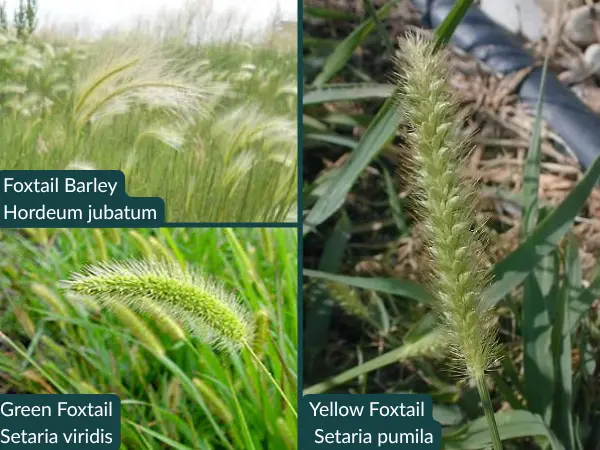
Yes, foxtails are common in Illinois, including Chicago. The University of Illinois Urbana-Champaign states in their article that three species of foxtails are commonly found in every county: Giant Foxtail (Setaria faberi), Yellow Foxtail (Setaria pumila), and Green Foxtail (Setaria viridis).
Foxtails can be found in both urban and rural areas, especially in ‘disturbed areas’ where bare ground has been exposed. Foxtails are common in pastures, gravelly areas, railroads, cracks in sidewalks or parking lots, gardens, and lawns.
Are Foxtails Common in Utah?
Yes, foxtails are common in Utah and Salt Lake City, thriving with the region’s dry conditions. Foxtails can be found on trails, in the foothills, parks, and lawns. Foxtails in Utah can also grow in the urban setting, in sidewalk cracks, parking lots, and vacant lots.
→ Worried that your dog may have a foxtail? We’re here to help. Sploot is an all-in-one vet clinic, providing primary and urgent care under one roof. Visit one of our vet clinics in Denver, Colorado Springs, Salt Lake City, or Chicago. We are open 365 days a year with extended hours (8 AM to 8 PM). Book an appointment here or call us at (720) 770-8656 for urgent concerns.
How We Treat Foxtails in Dogs at Sploot
UC Davis notes that the only treatment for foxtails in dogs is removal. These seed awns are essentially foreign bodies that need to be extracted with care. When you bring your dog to be treated for foxtails, here are the steps we will take:
Pain Management for Foxtails in Dogs
Most dogs that are brought to us for foxtails are in varying degrees of pain, especially if the foxtail is in the ear, nose, eyelids, or other sensitive areas. As we work on locating the foxtail and the dog’s treatment plan, we will first manage your dog’s pain and/or offer sedation so that our veterinarian can perform the check-up without causing further distress.
Imaging & Lab Tests When Needed
In some cases, foxtails are easy to see. In others, they can be difficult to find because they may move deeper into the skin, soft tissue, or body cavities. If your dog has swelling, draining wounds, repeated sneezing, coughing, pain, or symptoms that suggest a deeper foreign body, veterinary diagnostics may be recommended. Our in-house ultrasound imaging can help locate foxtails, while lab tests can help assess signs of infection, inflammation, or other complications.
Sedation & Follow-Ups: for More Severe Cases
At times, foxtails in dogs can be challenging to find and may not always be accessible during the first vet visit. Therefore, multiple appointments or treatment attempts may be needed.
Depending on the location and depth of the foxtail/s, your veterinarian may recommend additional sedation or anesthesia to allow for a more thorough examination, flushing, probing, or removal attempt while keeping your pet comfortable and safe.
In some cases, follow-up care is needed to monitor healing, address infection, or confirm that the entire foreign material has been removed.
Urgent Care, Emergency Stabilization, & Referral
As a full-service, state-of-the-art vet clinic, we handle over 95 percent of a dog’s health care needs, including most cases of foxtails in dogs. Additionally, we can offer emergency stabilization for dogs in distress or severe pain. Our vet clinics also have dedicated surgical suites, used as needed when removing foxtails from dogs.
Sploot: Your Full-Service Dog Vet Clinic for Primary & Urgent Care
Sploot Veterinary Care is your all-in-one vet care provider, providing primary care, urgent care, and emergency vet services all under one woof™, 365 days a year!
Plus, our Fear Free veterinary approach prioritizes your dog’s well-being in every appointment, including ones where we would be removing foxtails. You can always count on our veterinarians for top-tier, compassionate care in a supportive setting.
Visit one of our vet clinics in Denver, Colorado Springs, Salt Lake City, or Chicago and experience next-level veterinary care today. Book your vet visit online or via the Sploot Vets app!