

Reverse sneezing in dogs, also referred to as ‘paroxysmal respiration,’ is a common reflex. When a dog reverse sneezes, it causes a repeated snorting, honking, or gasping sound as air is pulled in through the nose in short, consecutive bursts. The sound also sounds like a reverse cough, which is why some pet parents refer to it as a reverse cough in dogs.
In many cases, a dog’s reverse coughing or sneezing is harmless. However, it can also point to issues that need veterinary attention. In this Sploot Vets guide, we explore the different causes of reverse sneezing in dogs and what steps you need to take.
1. Respiratory Irritants
Respiratory irritants include dust, smoke, perfumes, cleaning products, and strong odors. These substances irritate the dog’s nasal passages and throat, triggering spasms that cause reverse sneezes in dogs as the body tries to clear the airway. This can be similar to a post-nasal drip in humans.
Is Reverse Sneezing from Irritants a Cause For Concern?
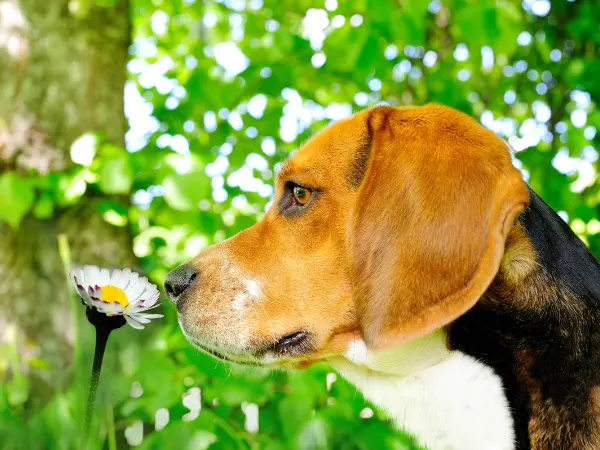
Mild and moderate irritants like dust, pollen, light fragrances, or outdoor barbecue smoke are usually not harmful. However, cigarette or marijuana smoke, chemical fumes, pesticides, and strong cleaning agents can cause significant airway irritation or injury.
What to Do Next
As much as possible, reduce your dog’s exposure to irritants, choose mild fragrances, and opt for pet-safe cleaning products. If you think that your dog has inhaled harmful smoke or fumes, call an urgent care veterinarian or an emergency vet.
2. Allergies in Dogs
Environmental or seasonal allergies in dogs are caused by particles like pollen, mold, or dust mites. In sensitive dogs, these can cause inflammation in the nasal tissues. This swelling can lead to irritation of the soft palate and trigger reverse sneezing or coughing in dogs, especially during allergy seasons (i.e., spring, fall).
Is Reverse Sneezing from Allergies a Cause For Concern?
Reverse sneezing caused by allergies is usually not dangerous. However, aside from reverse sneezing, dogs with allergies may suffer from constant itching, ear infections, and other respiratory symptoms.
What to Do Next
If you haven’t already, schedule a veterinary consultation to properly diagnose your dog’s allergies and discuss medications or lifestyle changes that can help manage symptoms.
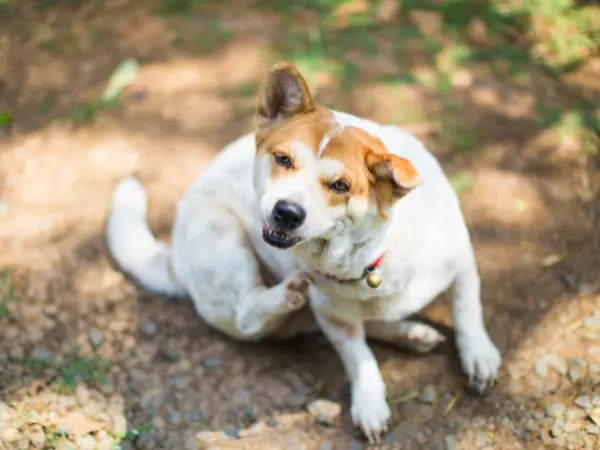
3. Overexcitement
Overexcitement occurs during play, leash pulling, or sudden activity is another common and harmless cause of reverse sneezing or coughing in dogs. This is due to rapid breathing or throat tension, which can stimulate the soft palate, resulting in brief episodes of reverse sneezes in dogs.
Is Reverse Sneezing from Overexcitement a Cause For Concern?
Reverse sneezing triggered by overexcitement is usually harmless and short-lived. Episodes typically stop once your dog calms down and do not indicate a serious medical problem.
What to Do Next
Help your dog calm down by reducing stimulation. If reverse sneezing episodes become frequent, prolonged, or start occurring without excitement, a veterinary exam is recommended to rule out other causes.
4. Eating or Drinking too Fast
When dogs eat or drink too quickly, they may inhale air or irritate the back of the throat. This irritation can cause temporary spasms that lead to reverse sneezing or coughing in dogs, during or shortly after their meal.
Is Reverse Sneezing from Eating or Drinking Too Fast a Cause For Concern?
Reverse sneezing caused by eating or drinking too quickly is usually not dangerous and often resolves after the meal. However, eating or drinking too fast has its risks, such as choking, poor digestion, and bloating in dogs.
What to Do Next
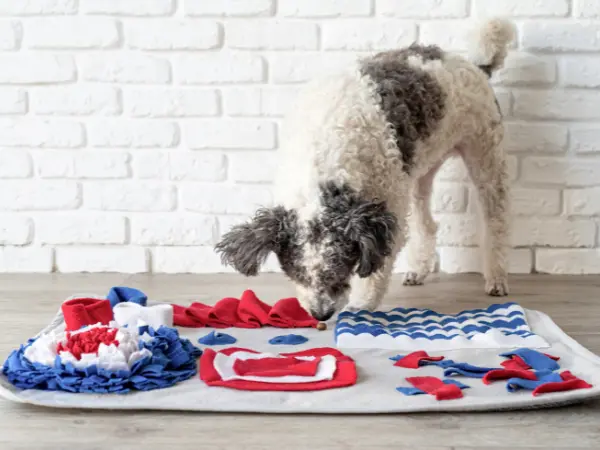
Try using a slow-feeder bowl to encourage calmer eating habits. If reverse sneezing continues despite these changes or occurs at other times, consult your veterinarian.
5. Elongated Soft Palate
An elongated soft palate is common in flat-faced or brachycephalic breeds (e.g., French Bulldog, Pug); it occurs when excess tissue partially blocks the airway. This extra tissue vibrates or becomes irritated easily, making reverse sneezes in certain dogs more frequent or recurring.
Is Reverse Sneezing from an Elongated Soft Palate A Cause For Concern?
Mild cases may cause occasional reverse sneezing, but frequent or severe episodes can indicate airway obstruction that affects breathing and quality of life.
What to Do Next
Monitor how often episodes occur and avoid triggers like overheating or overexertion. If reverse sneezing is frequent, worsening, or accompanied by breathing difficulty, a veterinary evaluation is recommended to discuss treatment options.
6. Foreign Bodies in Throat or Nasal Passage
Foreign bodies like grass seeds, foxtails, or debris can become lodged in the throat or nasal passages. The body reacts by producing forceful inhalations, causing sudden reverse sneezing or coughing in dogs until the object is removed.
Is Reverse Sneezing from Foreign Bodies a Cause For Concern?
Reverse sneezing caused by a foreign body can be serious, especially if the object becomes lodged. Some cases may not resolve on their own. Many times, additional clinical signs can be seen, such as persistent nasal discharge, including nose bleeds.
What to Do Next
If reverse sneezing continues, worsens, or is paired with pawing at the face, nasal discharge, or bleeding, seek emergency veterinary care promptly for safe removal.
7. Nasal Mites
Nasal mites are microscopic parasites that live in the nasal passages of infected dogs. They cause persistent irritation and inflammation, leading to repeated episodes of reverse sneezes in dogs, often along with nasal discharge or facial itching.
Is Reverse Sneezing from Nasal Mites a Cause For Concern?
While not usually life-threatening, nasal mites cause ongoing irritation and will not resolve without treatment. The signs to watch out for include persistent reverse sneezing, nasal discharge, and facial itching.
What to Do Next
Schedule a vet visit for prompt diagnosis and treatment. This helps relieve your dog’s discomfort and prevents the spread to other dogs.
Remedies for Reverse Sneezing (Coughing) in Dogs: Do They Work?
Some at-home techniques may help stop reverse sneezing in dogs by relaxing the throat and soft palate, but they’re only appropriate in certain situations.
Note: These techniques may be helpful only when reverse sneezing is mild and NOT caused by an external irritant, foreign body, or nasal mites.
Here are some remedies often showcased online and why they work in some cases:
- Closing the dog’s mouth and gently covering one nostril – This can help reset breathing and end mild episodes of reverse sneezing.
- Lifting the head and gently rubbing the throat – This can help relax the airway and end mild cases of reverse sneezing in dogs.
Note: When in doubt about how to best alleviate your dog’s reverse sneezing, taking a video of their episode can be beneficial when discussed during the veterinarian exam.

How We Treat Dog Reverse Sneezing (Coughing) at Sploot Vets
At Sploot Vets, treatment starts with a thorough physical or wellness exam to evaluate your dog’s airway, nasal passages, and overall health. Our veterinarians carefully diagnose your dog’s airway problems and use in-house diagnostics when needed (e.g., imaging) to ensure that your dog gets prompt treatment and lasting relief.
Note: Sploot Vets also offers urgent care and emergency vet services in Denver, Colorado Springs, and Chicago. If you need assistance for foreign body inhalation and other issues that need prompt care, call us at (720) 770-8656. Our doors are open, 365 days a year, with extended vet clinic hours.
Sploot Vets: All-in-One Vet Care
Whether you’re worried about your dog’s reverse sneezing (coughing) or other health issues, we’re always here to help!
Sploot Veterinary Care is here to provide all-in-one vet care that you can count on, with primary care, urgent care, and emergency vet services all under one woof™! We offer next-level care with our experienced vets, state-of-the-art clinic facilities, and a Fear Free veterinary approach that your dog will love.
Visit one of our vet clinics in Colorado Springs, Denver, and Chicago today! Our doors are open 365 days a year with extended vet clinic hours for your convenience.
Easily book your visit online or through the Sploot Vets app! You can also call us at (720) 770-8656 for urgent cases.