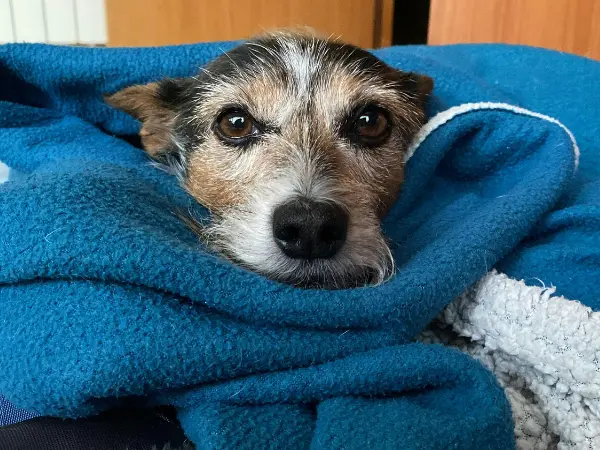
Seeing your dog limping on their back leg or front leg can be concerning for any pet parent. One moment, your pup seems fine, and the next, they’re not able to walk normally. Many owners immediately wonder, ‘Why is my dog limping all of a sudden?’
The answer can range from something mild and temporary to an injury that needs urgent veterinary care. Knowing what to watch for can help you respond appropriately and avoid unnecessary stress. This Sploot Vets guide dives into the most common reasons dogs limp and how to tell when it’s time to see a vet.
Why Is My Dog Limping? Common Causes Explained
Limping isn’t a diagnosis by itself; it’s a sign or symptom of another issue. In most cases, limping is a sign of dog pain. Whether your dog is limping on their front leg or back leg, the cause can vary widely based on age, activity level, and overall health.
1. Paw Pad Injuries, Cuts, Burns, & Foreign Objects
A very common cause of sudden limping is a paw-related issue. Cuts, cracked paw pads, burnt dog paws, or debris stuck between the toes can cause immediate pain for dogs. When this happens, you may notice your dog licking their paw, holding it up, or limping right after a walk or outdoor playtime.
2. Muscle Strains & Sprains
If your dog has been running, jumping, hiking, or playing hard, a muscle strain or sprain is possible. These common pet injuries can affect either the front or back legs and often cause mild to moderate limping. Rest usually helps, but continued limping should still be evaluated by a veterinarian.
3. Joint Issues Like Arthritis or Dysplasia
A gradual onset of limping in dogs is often linked to joint problems. Arthritis in dogs and dysplasia can affect the hips, knees, elbows, or shoulders. This can lead to a dog limping on their back leg or front leg, depending on which joints are affected. Stiffness after rest, limited mobility, and trouble getting up are common clues of limping due to arthritis or joint issues.
4. Ligament Tears & Fractures
More serious pet injuries can cause obvious pain and instability. Dogs with ligament tears or fractures may refuse to bear weight on the affected leg, especially if the injury is severe. Swelling and sudden onset of limping are red flags to watch out for.
Note: If you suspect serious injuries like ligament tears and fractures, Sploot Vets offers urgent care and emergency vet services. Call us at (720) 770-8656 to schedule a same-day urgent care appointment.
5. Age-Related or Breed-Specific Concerns
Puppies, especially larger breeds, may experience growing pains. While often self-limiting, a dog limping on their back leg or front leg due to suspected growing pains needs to be confirmed by a veterinarian.
In addition, certain breeds are prone to inherited joint conditions (e.g., Golden Retrievers, German Shepherds). Lastly, senior dogs are more likely to develop canine osteoarthritis, which may explain recurring limping that worsens over time.

When to Worry: Signs It’s Time to See a Vet
While not all limps are emergencies, most of them warrant a visit to the vet. Here are signs that your dog may need urgent veterinary care:
1. Sudden Limping With No Clear Cause
If you find yourself asking, “Why is my dog limping all of a sudden?” and the cause is unclear, this is a sign that your dog may need professional care. Additionally, if the limp doesn’t improve quickly (i.e., lasts more than 24 hours), a same-day veterinary visit is highly recommended.
2. Swelling, Heat, Or Visible Injury
If your dog is limping on their back leg or front leg while showing signs like swelling, warmth, redness, or an obvious wound, your dog may need urgent veterinary care. Typically, these signs indicate trauma, inflammation, or infection that needs prompt medical attention.
3. Limping That Doesn’t Improve After 24 Hours
Even if your dog’s limping on their front leg or back leg appears mild, it may still need professional care, especially if the issue persists. The general rule is that if the limping lasts for more than 24 hours, it’s time to see a same-day, urgent care veterinarian to address the underlying issue and provide relief for your dog’s condition.
4. Non-Weight-Bearing Or Vocalizing In Pain
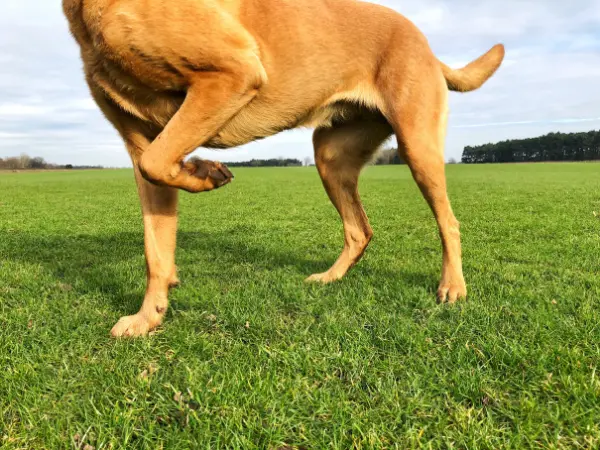
In some cases of dogs limping on their front leg or back leg, the leg may still bear some of their weight. On the other hand, if their leg is not capable of bearing weight at all and is lifted off the ground, this is a sign of a serious issue—whether it’s a fracture, soft tissue injury, or something similar. This may be accompanied by whining, barking, or vocalizing in pain.
In such situations, it’s highly recommended to bring your dog to a same-day urgent care veterinarian or seek emergency care.
Note: Sploot Vets offers urgent care and emergency vet services under one roof, making it easy for pets and pet parents to get the prompt support they need. Call us at (720) 770-8656 to schedule a same-day appointment.

What NOT to Do If Your Dog Is Limping
If your dog is limping on their back leg or front leg, here are a few common mistakes to AVOID to prevent further injury:
1. Don’t Give Human Medications
Medications like ibuprofen or acetaminophen are toxic to dogs and can cause serious complications. Only use vet-approved pain medications for dogs, prescribed for your dog’s limping.
2. Avoid Manipulating The Limb
Trying to stretch, massage, feel, or test the leg can potentially worsen injuries and increase pain. Reassure your dog, but avoid manipulating the affected leg.
3. Don’t Delay Care For Worsening Symptoms
Waiting too long can turn a treatable issue into a more serious problem. For most cases of dog limping, even if the issue is mild, it’s always best to call a veterinarian for further guidance. As for more severe cases, reach out to an urgent care veterinarian as soon as possible.
What You Can Do at Home (And When It’s Okay)
If your dog’s limping is mild and you’re monitoring their symptoms or waiting for next steps from your veterinarian, here are a few safe steps you can take at home.
1. Limit Activity And Keep Your Dog Rested
If your dog has mild limping or is in the recovery stage, strenuous exercise can still make the issue worse. Veterinarians may recommend limiting your dog’s activity to gentle walks while they are recovering or awaiting the next steps for treatment.
2. Check Paws And Pads For Debris Or Wounds
Only do this if your dog’s limping is NOT severe and they are not showing serious signs of pain. You can calmly restrain your dog with a leash, gently hold their paw, and examine the paw pads with a mirror. By using a mirror, you can avoid stretching or rotating the paw while still checking to see if the paw pads are fine, free of debris, and intact.
3. Monitor Behavior And Mobility
Track changes in your dog’s walking, appetite, and energy level. If limping is mild but recurring, note which activities trigger it. These details will help your vet determine the cause.
Note: Not sure if your dog needs veterinary care? Sploot Vets offers tele-triage to help you decide whether at-home care or an in-person vet visit is best. Contact our tele-triage team today!

How Sploot Vets Can Help: Hassle-Free Urgent Care
When your dog is limping on their back leg or front leg, prompt support and top-tier vet care can make a big difference. Here’s how Sploot Vets can help:
Same-Day Urgent Care & Extended Vet Clinic Hours
We offer same-day urgent care appointments and extended vet clinic hours, so care is available when you need it most.
Multiple Locations & Tele-Triage Support
Convenient vet clinic locations and our tele-triage team help you get answers without unnecessary delays.
In-House Veterinary Diagnostics & X-Rays For Fast Answers
We offer in-house veterinary diagnostic services, including pet X-rays, to help you get clear answers on why your dog is limping on their back or front leg. These laboratory findings also enable our experienced vets to personalize your dog’s treatment.
Final Thoughts on Dog Limping on Their Front Leg or Back Leg
If your dog is limping on their back leg or front leg, you’re right to pay attention. Whether it’s a mild strain or a more serious injury, early evaluation can prevent pain and speed recovery. If you’re unsure what’s causing the limp or when to worry, we’re always here to help.
With vet clinics in Colorado Springs, Denver, and Chicago, extended hours, and locations open 365 days a year, Sploot makes it easier than ever to get convenient, top-tier vet care.
Easily book your appointment online or through the Sploot Vets app! You can also call us at (720) 770-8656 for urgent concerns.