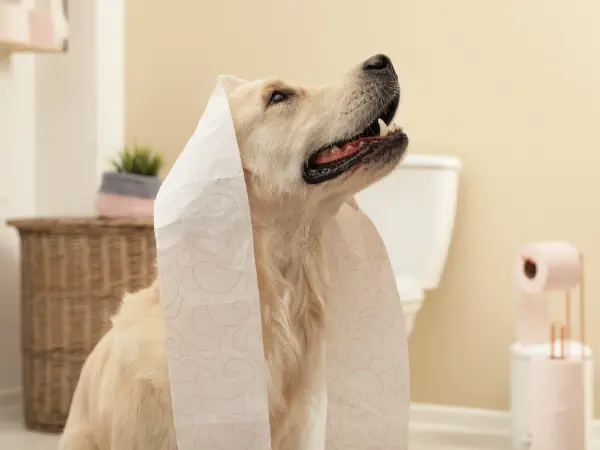


Dogs are naturally curious, and they often explore the world with their mouths. While this behavior is normal, it can sometimes lead to the ingestion of items that aren’t meant to be eaten.
From socks and toys to food wrappers and bones, foreign body ingestion is a common issue and can, at times, lead to serious complications. Depending on the object ingested, dogs can suffer from digestive upset in mild cases or more serious issues like intestinal blockages or perforation.
This Sploot Vets guide dives into foreign body ingestion in dogs, listing the most common items ingested by dogs and what to do next.
Overview: Foreign Body Ingestion & Choking in Dogs
Foreign body ingestion is when dogs eat something that is not meant to be eaten. Dogs may either choke on the foreign body or swallow it into their system.
If your dog is actively choking, here are some helpful tips:
- Carefully check their mouth to see if the object is visible and can be safely removed. Do NOT blindly sweep the mouth, as this may push the object farther down the throat.
- If the object is lodged deeper or your dog is having trouble breathing, transport them immediately to an emergency veterinarian.
- The Heimlich maneuver or abdominal thrusts should be reserved for life-threatening emergencies only, as these can cause internal injuries if not performed correctly.
If the dog swallows the foreign body or object, there are two main possible outcomes:
- If the object is tiny, not rope-like, not sharp, and non-toxic, it’s possible for it to pass through the intestines without harm.
- If the object is large, toxic, sharp, clump together, or acts as a linear foreign body (rope-like), it can cause serious complications.
In certain cases, veterinarians can treat foreign body ingestion in dogs by medically inducing vomiting in a controlled setting. However, attempting to do this at home with hydrogen peroxide is not advised without veterinary guidance, as vomiting can be harmful or even life-threatening with some ingested materials.
Note: In need of urgent vet care in Chicago, Denver, or Colorado Springs? Call Sploot Vets at (720) 770-8656 for urgent assistance; we are open 365 days a year, from 8 AM to 8 PM.
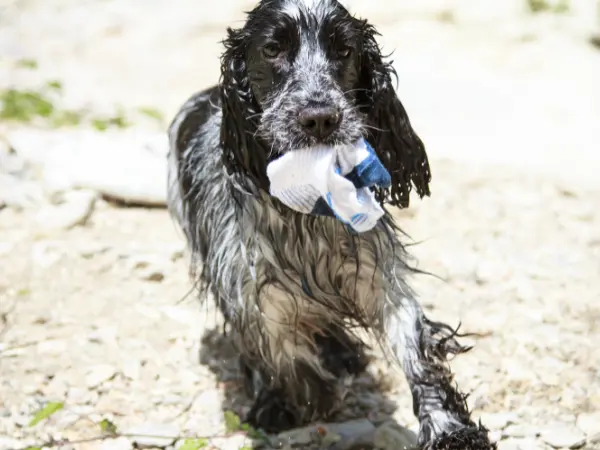
I. Common Household Item Ingestion
Dogs can accidentally ingest a wide variety of household items, especially the ones that they can easily get access to. Here’s the risk level for each item and when to call a vet.
1. My Dog Ate Paper Towels or Tissue
Paper towels and tissues typically aren’t toxic, but they are not easily digestible. When swallowed, they can expand with moisture and form an intestinal blockage, especially in smaller dogs or if large amounts are eaten. If your dog swallowed a large amount or is straining to poop, it’s best to bring them to a veterinarian.
2. My Dog Ate Soap
Mild soap can irritate your dog’s mouth, stomach, and intestines. Meanwhile, stronger soap and those with essential oils can cause chemical burns and poisoning. Dogs that eat soap may drool excessively, vomit, or develop diarrhea and abdominal discomfort. If symptoms appear or your dog shows signs of pain or lethargy, veterinary care is recommended.
3. My Dog Ate Trash
Eating trash is especially dangerous for dogs because it can lead to trash gut, a condition caused by ingesting spoiled or fatty foods from the garbage. Trash gut can trigger severe stomach upset and canine pancreatitis. Trash may also contain bones, plastic, wrappers, or toxic substances that increase the risk of intestinal blockages or poisoning. If your dog eats trash, it’s best to schedule a visit to the vet for their safety.
4. My Dog Ate an Indoor Plant
Some indoor plants are mildly irritating, while other plants can be toxic to dogs and cause symptoms such as vomiting, drooling, diarrhea, or lethargy. The severity of symptoms depends on the type of plant and the amount eaten. If you suspect your dog ate a plant and is showing symptoms of poisoning (e.g., vomiting, drooling, lethargy, collapse), it’s best to bring them to an emergency vet.
5. My Dog Ate Soil From a Potted Plant
Soil itself can cause mild stomach upset for dogs. However, if it contains fertilizers, pesticides, or mulch that are harmful to dogs, it can lead to vomiting, diarrhea, or more serious symptoms of toxicity. If your dog eats potting soil and develops early symptoms of poisoning (vomiting, diarrhea, abdominal pain, lethargy), it’s best to bring them to an urgent care vet or an emergency veterinarian.
II. Toy & Bone Ingestion in Dogs
Toys and bones can quickly become dangerous if swallowed. Here’s what you need to know about the risks and when to call the vet.
6. My Dog Ate a Bone
Bones, especially cooked bones, can splinter and cause choking, mouth injuries, intestinal blockages, or internal damage. Even raw bones can become stuck in the digestive tract and cause serious complications. If your dog swallowed a bone, it’s best to take them to an urgent care veterinarian.
7. My Dog Ate Rawhide
Rawhide chews are typically not recommended for heavy chewers, as these toys can easily come apart. Some dogs may also swallow the rawhide treat whole.
If swallowed, rawhide can swell and cannot be digested, increasing the risk of intestinal obstruction. If your dog swallowed a chunk of rawhide and is vomiting or acting uncomfortable, it’s best to contact a veterinarian promptly.
8. My Dog Ate a Rubber Toy
Rubber dog toys are not digestible and can cause choking or intestinal blockages if swallowed in large pieces. While some small fragments may pass, larger pieces often become lodged in the stomach or intestines. If your dog is vomiting, refusing food, or straining to poop, it’s best to take them to the vet.
9. My Dog Ate a Stuffed Toy
Stuffed toys contain fabric, stuffing, and squeakers, all of which are potentially dangerous when ingested. If the materials clump together, they can cause intestinal blockages or irritation. If your dog swallowed parts of a stuffed toy and develops vomiting, lethargy, or abdominal pain afterwards, veterinary care is recommended.
10. My Dog Ate a Rope Toy
Rope toys are particularly risky when ingested because the material can be swallowed as a ‘linear foreign body’, which can get anchored in the stomach and bunch the intestines together. This can lead to severe intestinal damage. If you notice a string, rope, or fabric hanging from your dog’s mouth or anus, do NOT pull it and seek urgent veterinary care.

III. My Dog Ate Metallic Items
Metallic items pose a serious risk when ingested by dogs due to their potential to cause choking, internal injury, toxicity, or intestinal obstruction. Here are the risk factors for commonly ingested metallic items and when to call the veterinarian.
11. My Dog Ate a Battery
Small batteries, including button batteries, are a medical emergency if swallowed. Batteries can leak corrosive chemicals and cause severe burns to the mouth, esophagus, and stomach, sometimes within hours. If you suspect your dog ate a battery, go to an emergency veterinarian right away.
12. My Dog Ate Foil
Aluminum foil is not toxic, but it is not digestible and can form sharp edges when crumpled or chewed. Swallowed foil may cause intestinal obstruction or perforation. If your dog ate foil and is vomiting or acting uncomfortable, a veterinary visit is recommended.
13. My Dog Ate a Coin
Coins can cause choking or become lodged in the dog’s stomach or intestines. Certain coins may also contain metals that can irritate the digestive tract or cause zinc toxicity if they remain in the stomach. If your dog swallowed a coin, it’s best to take them to an urgent care veterinarian.
14. My Dog Ate a Sharp Metal Piece
Sharp metal objects are extremely dangerous because they can puncture or tear the stomach or intestines. This type of ingestion can quickly become life-threatening. If your dog ingests a sharp metal object, seek emergency veterinary care immediately, even without any early symptoms.

IV. Textile Ingestion in Dogs
Textile items are especially dangerous when ingested by dogs because they are not digestible and tend to tangle or clump together inside the digestive tract. Here are the risks for commonly ingested textiles and what to do next.
15. My Dog Ate a String or Yarn
String and yarn pose a high risk because they can act as a linear foreign body, causing the intestines to bunch up and potentially tear. This can lead to severe pain, vomiting, and life-threatening complications. If your dog swallows string or yarn, consult a veterinarian for the next steps.
16. My Dog Ate a Sock, Rag, or Clothing
Socks, rags, and cloth items are one of the most common causes of intestinal blockages in dogs. These items can easily lodge in the stomach or intestines and prevent food from passing through. If your dog ate a sock or cloth and develops vomiting, decreased appetite, lethargy, or trouble pooping, veterinary evaluation is recommended.
17. My Dog Ate Carpet
Carpet fibers are not digestible and can cause significant irritation to your dog’s stomach and intestines. When swallowed, carpet material can clump together and lead to an intestinal obstruction, preventing food from moving normally through the digestive tract. Dogs that ingest carpet may vomit, gag, lose their appetite, or show signs of abdominal discomfort; in such cases, it’s best to contact the vet promptly.

How We Treat Foreign Body Ingestion at Sploot Vets
Foreign body ingestion can escalate quickly, which is why prompt diagnosis and timely treatment are critical. At Sploot Vets, we offer the following:
Urgent Vet Care (with Drop-Offs Available)
Our vet clinics are open 365 days a year with extended hours, so your dog can receive prompt care for foreign body ingestion and other health issues. Drop-off appointments are also available; if your schedule is tight, you can safely leave your dog with our medical team, and we’ll keep you updated at every step of the process.
Accurate Diagnoses With Advanced Imaging
We use in-house X-rays and ultrasound to locate ingested foreign objects, assess the severity of the case, and eliminate guesswork in treatment decisions.
Experienced Vets & Dedicated Surgical Suites
Some cases of foreign body ingestions in dogs can be treated in a veterinary clinic by safely inducing vomiting.
Note: Inducing vomiting at home with hydrogen peroxide is NOT recommended without veterinary guidance, as some substances or objects can be extremely dangerous if vomited back up.
If an ingested foreign body removal surgery is required, our experienced veterinary teams are prepared to act quickly, with state-of-the-art equipment and dedicated surgical suites.
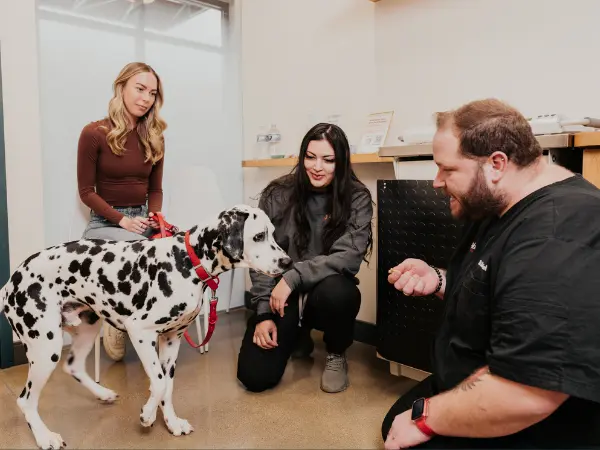
Sploot Vets: All-in-One Care, Including Urgent Care
Whether you need assistance with foreign body ingestion in dogs or other concerns, we’re always here to help.
Sploot Veterinary Care offers all-in-one care, with primary care, urgent care, and emergency vet services all under one woof™! Aside from our experienced veterinary teams and state-of-the-art facilities, we also offer a Fear Free veterinary approach that prioritizes your dog’s comfort.
Visit one of our vet clinics in Colorado Springs, Denver, and Chicago today! Our doors are open 365 days a year with extended vet clinic hours to fit your schedule.
Easily book your appointment online or through the Sploot Vets app! You can also call us at (720) 770-8656 for urgent cases.